By 2040, South Florida is expected to need around 15 billion litres of water a day – enough to fill 30 billion half-litre bottles. Helping the rapidly growing region prepare for that demand is KTU alumnus Darius Manikas.
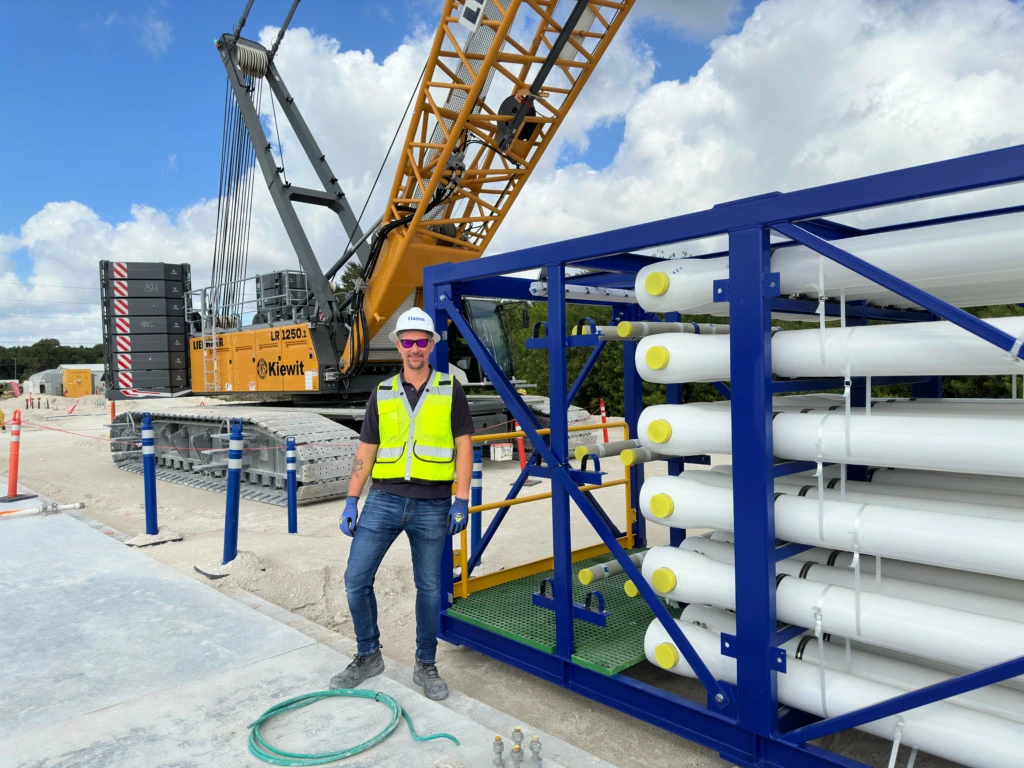
A graduate of Kaunas University of Technology’s Panevėžys Faculty of Technologies and Business (KTU PTVF), Manikas is one of the senior managers overseeing the construction of a drinking water treatment plant in the region. Once operational, the plant will be capable of treating up to 189 million litres of water a day.
While studying at KTU PTVF, Manikas planned to build his career in building construction. However, at the time, he could not have imagined that just a few years later his work would involve water supply and wastewater infrastructure projects in the United States.
KTU Studies – A Foundation for Working in an International Environment
Before starting work in the US, the KTU alumnus had to overcome an important hurdle: his degree had to be assessed as equivalent to a US bachelor’s degree in civil engineering. He began looking into this process while still at university.
“KTU played a major role in this process because the assessment required detailed descriptions of all my university courses in English. All the documents had to be officially certified by the university and sent directly to the organisation carrying out the assessment,” Manikas explains.
What made his studies at KTU particularly distinctive was the learning environment. He says that small study groups and close relationships with lecturers encouraged students not only to absorb information but also to find solutions independently.
“Today, these skills are just as important as specific technical knowledge, because large-scale infrastructure projects require the continuous coordination of specialists from different fields and decision-making as circumstances change,” says the KTU alumnus.
Starting a Career in the United States
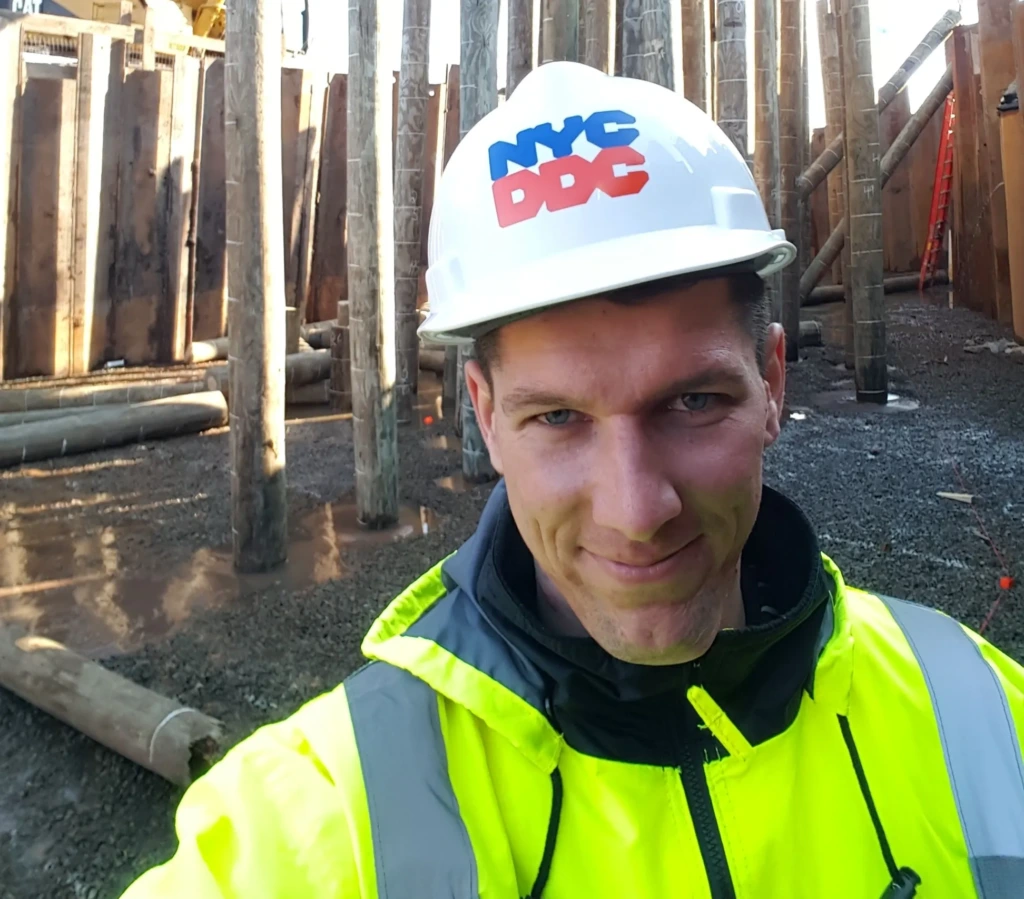
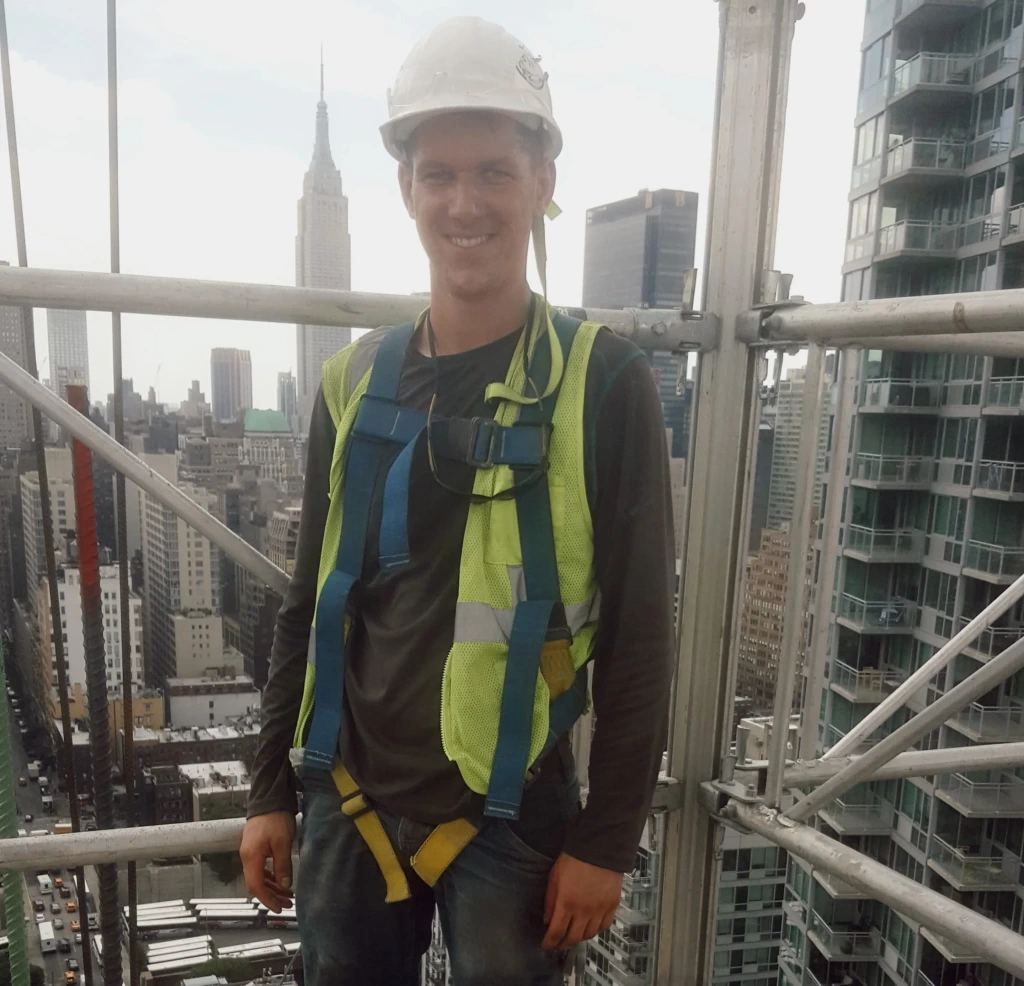
Manikas moved to the United States immediately after completing his Civil Engineering degree at KTU. His first professional experience involved skyscraper construction projects in New York. This was followed by his first projects involving the construction and modernisation of water supply, domestic wastewater and stormwater networks.
A few years later, the KTU alumnus became a project manager specialising in green infrastructure construction.
“Some of the most memorable green infrastructure projects were carried out in the older neighbourhoods of Brooklyn and Queens, where stormwater drainage systems were connected to domestic wastewater networks. During heavy rainfall, these systems can no longer cope with the volume of water, meaning that some of the wastewater ends up in streets, public spaces and bodies of water,” Manikas explains.
The Most Important Thing Is Having the Courage to Give It a Try
The experience he gained in New York working on green infrastructure and utility network projects is now proving valuable in South Florida, where Manikas focuses primarily on drinking water infrastructure projects.
“When I was just starting my career, I was not afraid to take on challenges and seize opportunities, even when I might not have been fully prepared for them. This approach helped me build self-confidence, encouraged me to keep learning and gave me the courage to move into new professional fields,” says the KTU alumnus.
Today, he advises students considering an international career to start with a practical step – an internship, an application or a conversation with a potential employer. According to Manikas, the first attempt does not necessarily have to be successful, but the experience gained can help prepare them better for the next step in their career.
“My experience has shown me that an international career often begins not with ambitious plans or connections, but with the courage to give it a try,” Manikas adds.