How is information overload changing the way we communicate, and what can art teach us about artificial intelligence? These questions will be explored at Intermediality in Communication: Translation, Media, Discourse, an international conference taking place at Kaunas University of Technology (KTU) on 19–20 November.
Organised by the Translation and Language Studies research group at KTU’s Faculty of Social Sciences, Arts and Humanities, the conference brings together perspectives from linguistics, translation, media, communication and the arts. Its eight thematic sections explore how language, images, sound and digital technologies interact, shaping public discourse, cultural understanding and everyday communication.
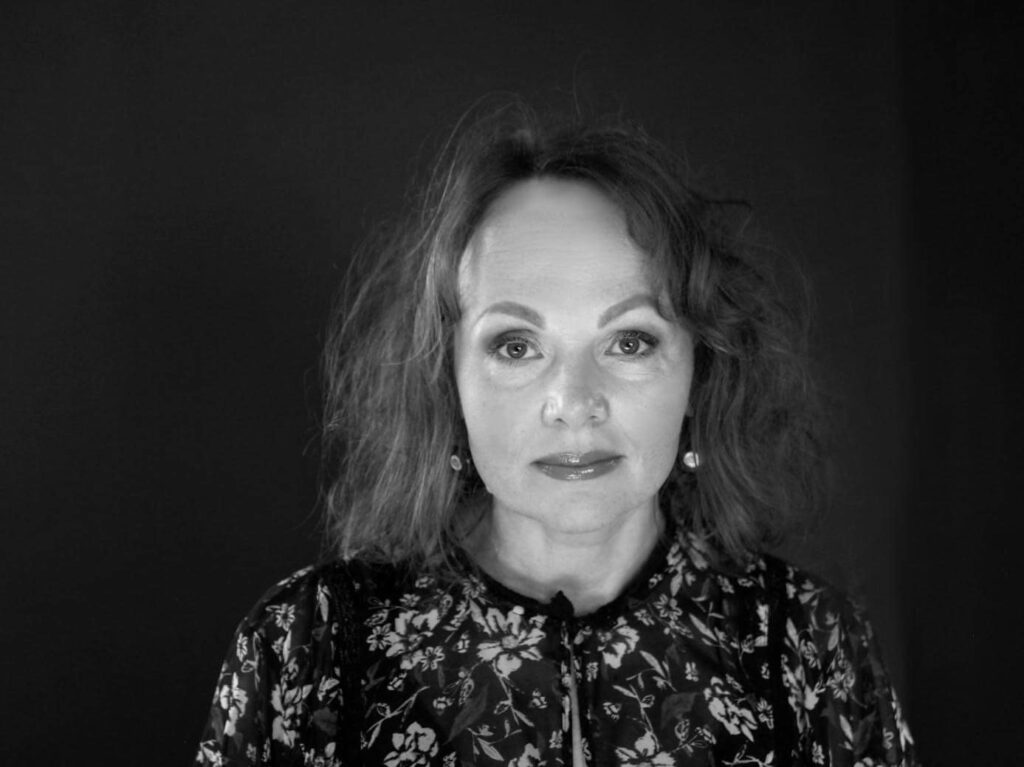
Micheál O’Connell will explore what art and performance can contribute to critical AI studies, using the idea of artificial stupidity to question emerging technologies and definitions of intelligence. Divya Madhavan’s lecture, Attention Has Lost Its Charisma, will consider what it means to teach, research and speak at a time when attention is increasingly scarce and contested.
Dario Martinelli will address information overload through the concept of infobesity. His lecture will examine how political rhetoric, digital platforms, artistic practices and AI-generated content interact to shape what people regard as credible in an algorithm-driven, post-truth society.
The conference’s wider themes range from machine translation and audiovisual storytelling to music, intercultural communication and representations of gender and identity. Together, they provide a space to examine communication across disciplinary boundaries, connecting technological change with its cultural and social implications.
On 19 November, a pre-conference workshop led by Brendan Keenan will focus on communication within academic communities. Through practical analysis and reflective exercises, participants will explore how everyday exchanges with colleagues and students can support collaboration, inclusion and wellbeing in multilingual university environments.
More information about the conference: https://icconference.ktu.edu/
Conference programme here.