People might receive health alerts on their smartphones, while AI systems could help doctors identify risks and detect illnesses much earlier.
Technology will make healthcare faster and more precise, but the human connection between a doctor and a patient will remain at the heart of medicine.
“The most realistic and responsible future is one in which digital tools make care more accessible, proactive and precise, while doctors remain central to final decisions and patient trust,” says the KTU researcher.
Teaching the Courage to Explore
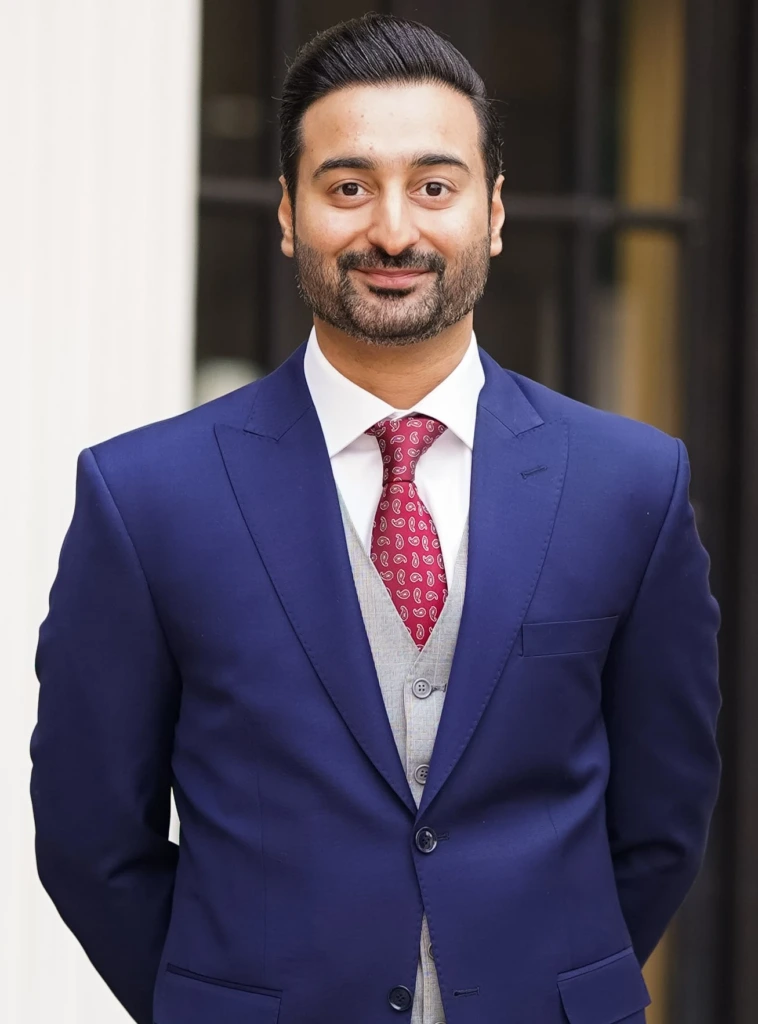
Dr Maqsood has two roles at KTU: he is both a scientist and a lecturer. For him, the two are closely connected. Research allows him to explore new ideas, while teaching gives him an opportunity to pass that sense of curiosity on to his students.
“Working with students keeps me grounded and reminds me that science is not just about data, but also about helping people grow,” he explains.
Maqsood does not favour one role over the other. He believes that research and teaching complement and strengthen each other.
When asked about KTU students, he describes them as capable, curious and motivated. However, he also sees one important challenge: many are afraid of making mistakes. Students often feel pressure to be perfect, especially at the beginning of their studies.
In reality, innovation frequently comes from trying, failing and learning. According to Maqsood, the students who succeed are those who remain persistent and open to new ideas. Making mistakes is not a sign of failure – it is part of learning how to become a good scientist.
A Life Beyond the Laboratory
As an international researcher living in Kaunas, Maqsood describes his experience in Lithuania as highly positive. He says he felt welcomed both in the city and at KTU, and sees Lithuania’s scientific community as ambitious and open to new ideas.
The academic environment supports collaboration and professional growth, while Kaunas offers a good balance between work and personal life. According to him, the city is calm, organised and pleasant, while remaining active and culturally vibrant.
One of the proudest moments of Dr Maqsood’s career was receiving an award from the Lithuanian Academy of Sciences in April 2026 for his work, “Deep Learning Methods for Medical Image Analysis Using Imperfect Data”.
For him, awards are not merely a form of recognition. They also bring responsibility and motivate scientists to work even harder for the benefit of the wider community.
Outside research and teaching, family plays a central role in Maqsood’s life. When he is not working, he enjoys the peaceful rhythm of Kaunas and spends time with his wife and daughter, often walking through the Old Town or along Laisvės Avenue.
This balance between ambitious research, teaching and family life reflects the idea at the heart of his work: meaningful progress requires curiosity, compassion and the courage to step beyond one’s comfort zone.