“When developing health technologies, it is essential to involve a broader circle of stakeholders – from healthcare institutions and medical professionals to patients. The idea itself is often excellent, sometimes even rooted in personal experience or motivation, but the full bundle of competencies needed to implement it successfully is even more important,” she says.
The researchers also point to different types of health start-ups: some are corporate-backed spin-offs, while others are independent ventures. The study found that start-ups with strong organisational backing tend to have more resources, grow faster and achieve financial success more often. Independent start-ups, by contrast, usually build broader partnership networks, seek public support and tend to become financially successful somewhat later and less frequently.
“When launching a health technology start-up, it may be worth considering building it alongside a mature company – one that already operates in a similar market and would be interested in the innovation being developed. This can help secure more stable financing in the early stages,” recommends Prof. Pundzienė.
Patients Become Co-Creators of Innovation
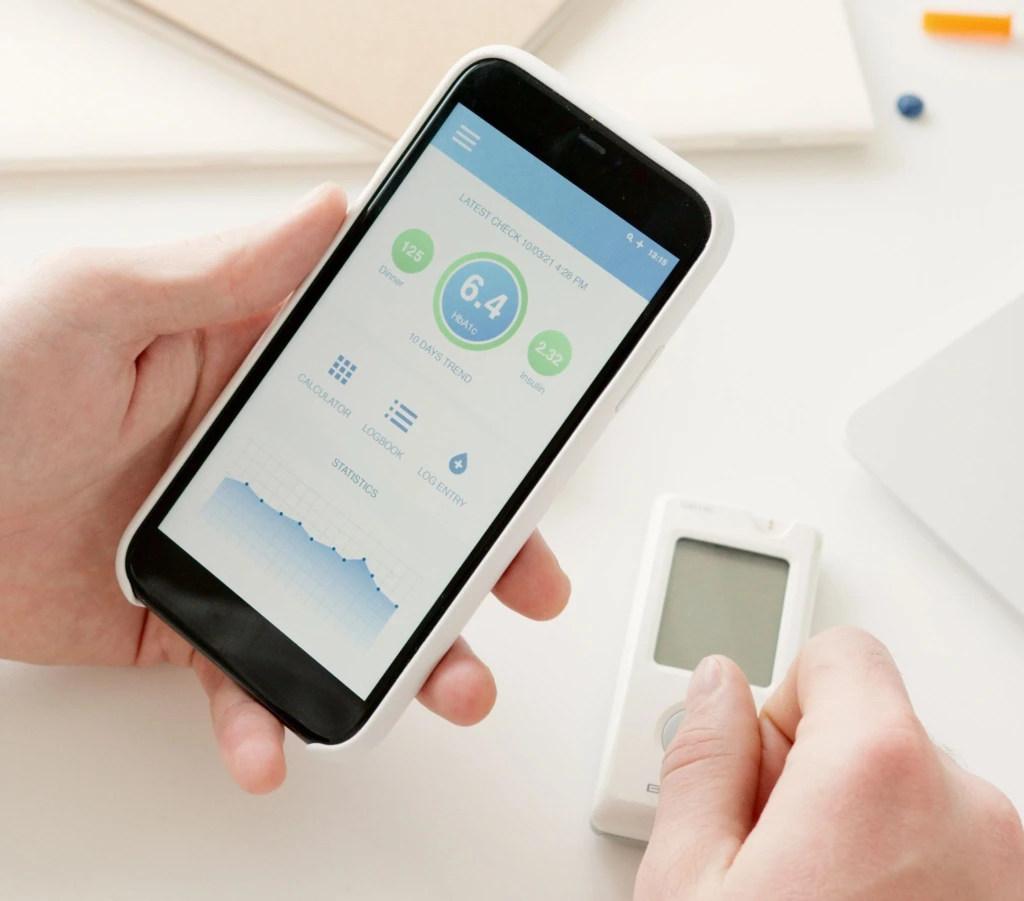
The researchers also note that strategic partners in health technology are not limited to universities or healthcare institutions. End users also become important partners. In healthcare, testing user experience is especially important: if a product is not convenient for end users, they are likely to return to more traditional forms of interaction.
“For example, one of the companies we studied explained that, to make its tool as convenient as possible for the end user, it turned directly to the user for the input it needed. By providing that input, the end user ultimately received a product that was genuinely convenient to use. Today, that start-up is one of the more successful players in the health technology market,” says Vijūnienė.
According to Giniūnienė, involving end users early in the development of health technologies is precisely what makes these solutions useful in practice, rather than leaving them as just another platform that exists without creating real value.
Prof. Pundzienė adds that communication with end users can also reshape how a technology’s features are designed.
“For example, one health technology company decided, after working with users, to disable reminder functions for people living with serious illnesses, because it became clear that such reminders were causing them stress,” says Prof. Pundzienė.
According to the researchers, it is no longer surprising that end users in health innovation are also partners in its development. In this socially vital field, that is increasingly becoming the norm.
The above-described study was published in the Baltic Journal of Management and can be accessed here.