
Skip to content
Dark red background with a white open book and pencil icon, alongside the text “4 Quality Education.” Represents the goal of inclusive, equitable, and quality education for all.
Green background with a white eye shape containing the Earth, and the text “13 Climate Action.” Represents urgent action to combat climate change and its impacts.
Navy background with five interlinked white circles forming a flower-like shape, and the text “17 Partnerships for the Goals.” Illustrates the goal of strengthening global partnerships to support sustainable development.

By Designing Next-Generation Materials, Engineers Are Learning from Nature

Important | 2026-07-14

How can we develop technologies that not only reduce environmental damage but also contribute to its restoration? This question is increasingly taking centre stage among European scientists, industry representatives, and universities. Climate change, resource scarcity, and the growing need to create more sustainable products are driving the search for new solutions, and smart materials based on natural principles are considered one of the most promising avenues.

The Faculty of Mechanical Engineering and Design (MIDF) at Kaunas University of Technology (KTU) is actively contributing to these changes by strengthening its role through two closely related initiatives: participation in the DESIGNAE COST Action CA24126 – “Promoting Nature-Oriented BioDESIGN to Explore a Regenerative Future” – and the newly launched master’s programme Advanced Materials Engineering.

DESIGNAE: Next-Generation Materials

KTU MIDF professors Giedrius Janušas and Arvydas Palevičius have joined the international COST initiative DESIGNAE (CA24126) and serve as members of its steering committee. This initiative brings together scientists and innovators from various European countries who aim to go beyond the traditional concept of sustainability and develop regenerative solutions.

The DESIGNAE network connects experts in the fields of materials and mechanical engineering, biology, chemistry, digital technologies, design, and ethics. Their goal is to learn from natural systems and biological processes to develop next-generation materials and technologies that can be applied in product design, architecture, healthcare, and other fields.
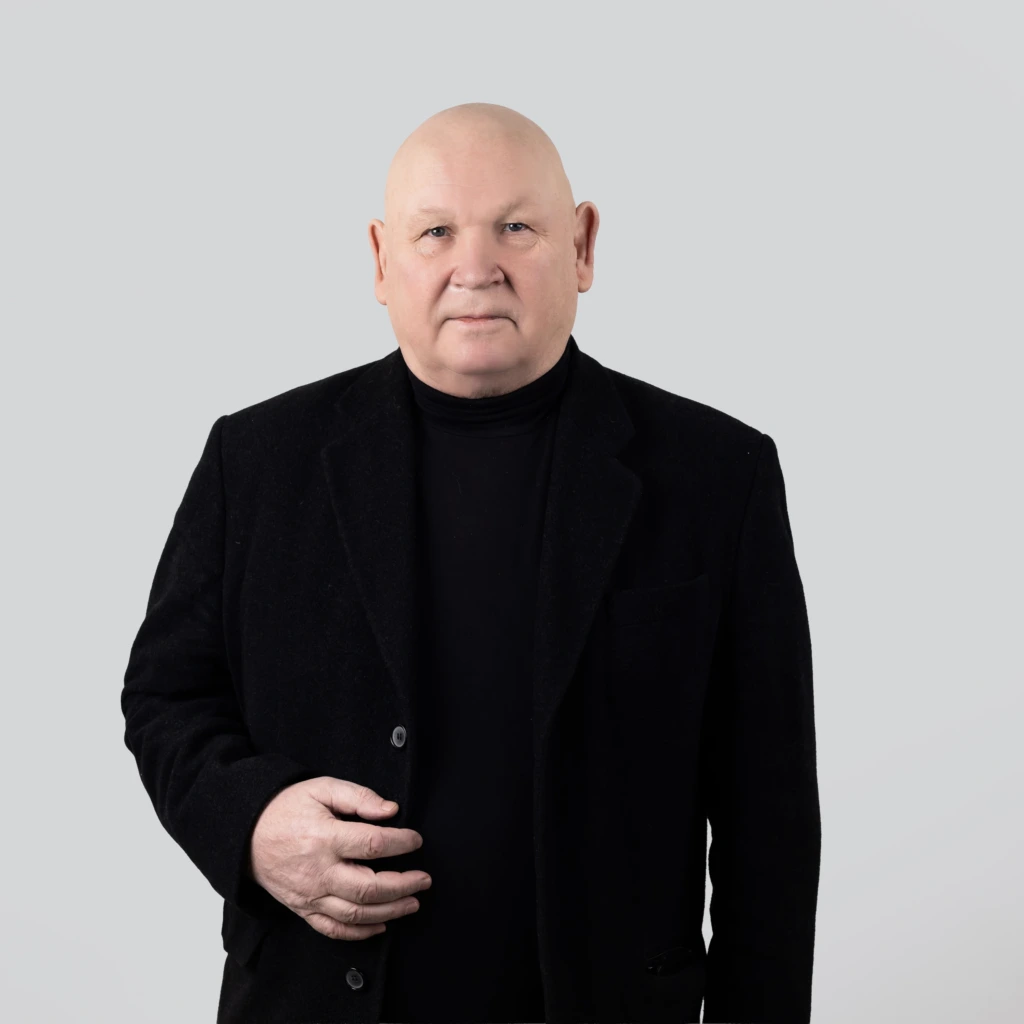
“Biodegradable materials – which bacteria, fungi, and other living organisms can naturally break down into simple, non-toxic compounds – are derived from renewable sources and can replace traditional synthetic, non-biodegradable materials, such as plastic. Society is increasingly recognising the importance of sustainable and environmentally friendly materials, so the demand for them is growing rapidly across various industries – from packaging and electronics to the automotive industry and medicine,” says Prof. Janušas.

International partnerships also play an important role in DESIGNAE’s activities.

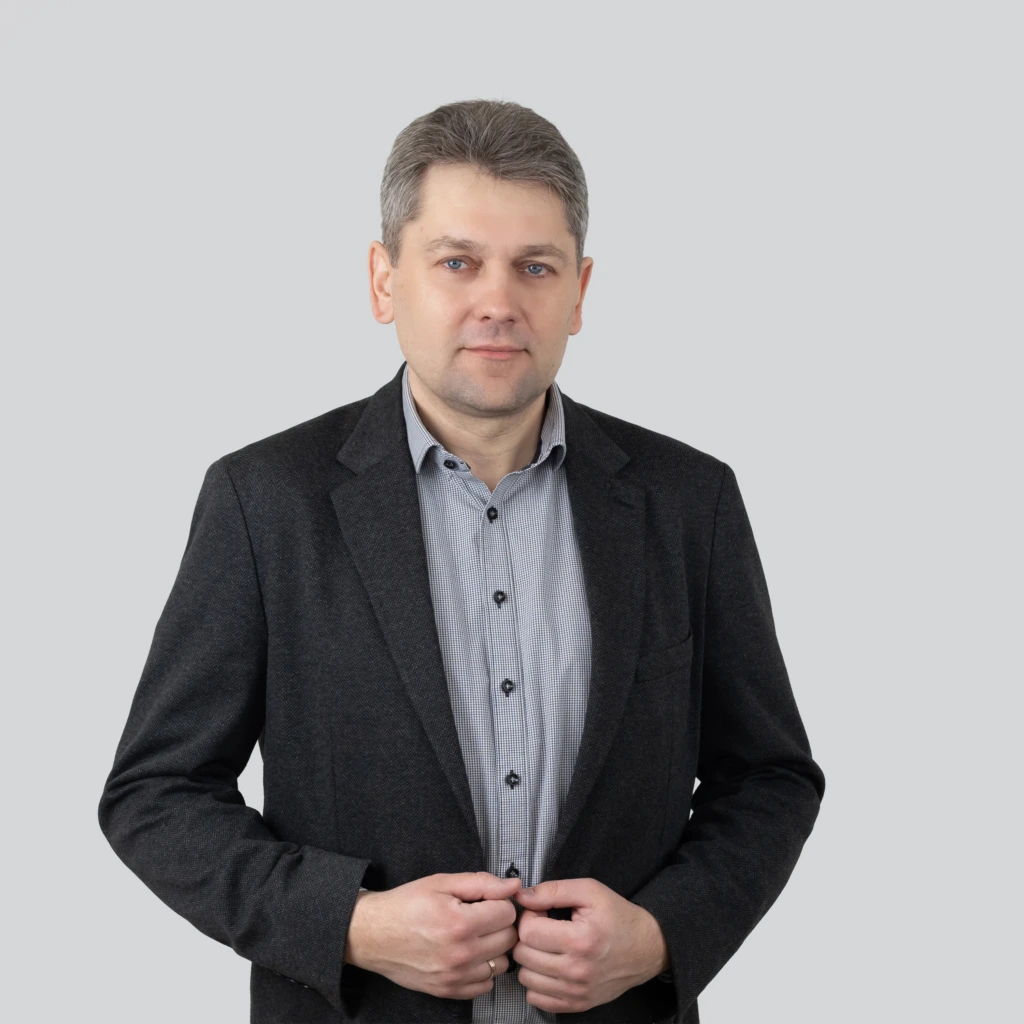
KTU researcher Giedrius Janušas in gray background
Prof. Giedrius Janušas, KTU Faculty of Mechanical Engineering and Design

KTU and the University of Aveiro in Portugal, which coordinates the DESIGNAE COST initiative, are members of the European Consortium of Innovative Universities (ECIU).

This partnership creates favourable conditions for joint research, innovation, student and researcher mobility, and the development of new study initiatives. According to KTU researchers, it is precisely such international networks that enable the latest scientific knowledge to be more quickly integrated into the educational process and practical solutions.

A New Master’s Programme Launched

With the aim of training specialists capable of working in the rapidly evolving field of materials innovation, KTU MIDF is launching a master’s degree programme, Advanced Materials Engineering.

The programme focuses on advanced, multifunctional, and bio-based materials, modern manufacturing technologies, and their application in various engineering systems. Equally important are interdisciplinarity, sustainability, and the ability to solve real-world problems facing industry and society.

According to the programme’s developers, the connection with the DESIGNAE initiative provides a unique opportunity to base the curriculum on the latest European research. Students will be able to familiarise themselves with cutting-edge technologies, the principles of biomanufacturing, ideas in regenerative design, and new methods for developing materials.

Membership in the DESIGNAE and ECIU networks opens additional opportunities for students, researchers, and faculty. Participants are eligible for short-term research missions, conferences, virtual mobility, and other grants that promote international collaboration and the development of expertise.

KTU professor Arvydas Palevičius on grey background
Prof. Arvydas Palevičius, KTU Faculty of Mechanical Engineering and Design

The research conducted by Prof. Janušas and Prof. Palevičius, along with their active participation in international networks, ensures a close connection between research and academic studies. This means that students will be exposed not only to theoretical knowledge but also to the latest scientific discoveries and the opportunity to work alongside an international community of experts.

More information about DESIGNAE COST Action (CA24126): https://designae.eu/