Global events in recent years have highlighted how crises rarely occur in isolation. Instead, they tend to trigger cascading effects, disrupting systems that may initially seem unrelated.
The 2010 volcanic eruption in Iceland, for instance, grounded air travel across Europe and created widespread economic and logistical challenges. Similarly, the COVID-19 pandemic extended far beyond a public health emergency, disrupting education systems and, in some regions, contributing to a rise in domestic violence as access to support services became limited during lockdowns.
As our social, economic, technological, and environmental systems are so intertwined, even small local disruptions can quickly spread into wider challenges. How does society respond and adapt to today’s challenges caused by cascading crises? How can society prevent, prepare for and be resilient to such events?
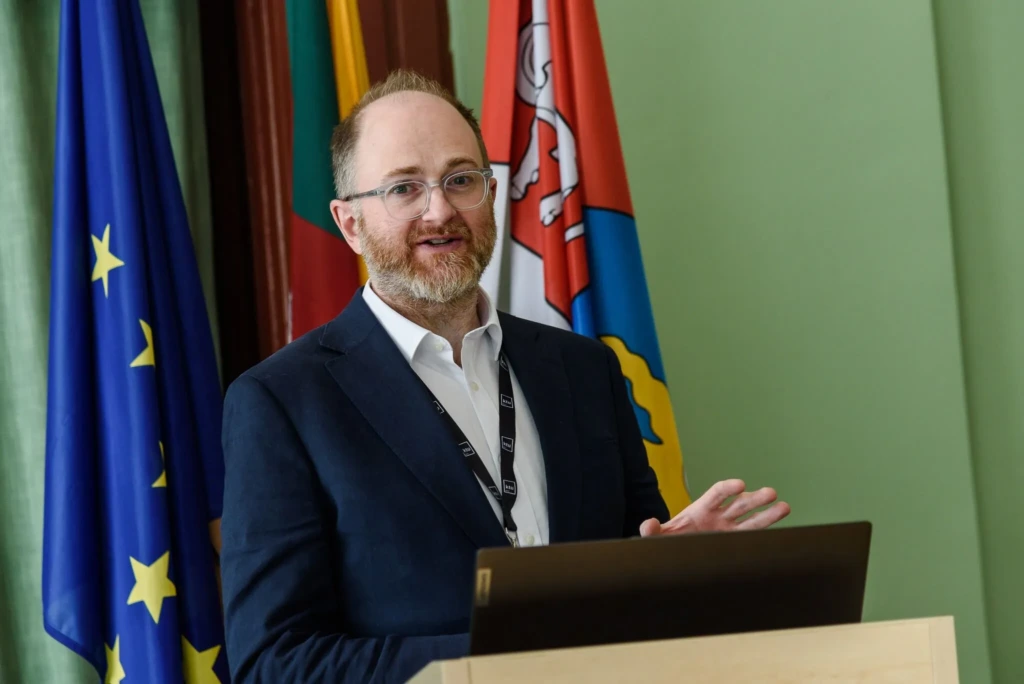
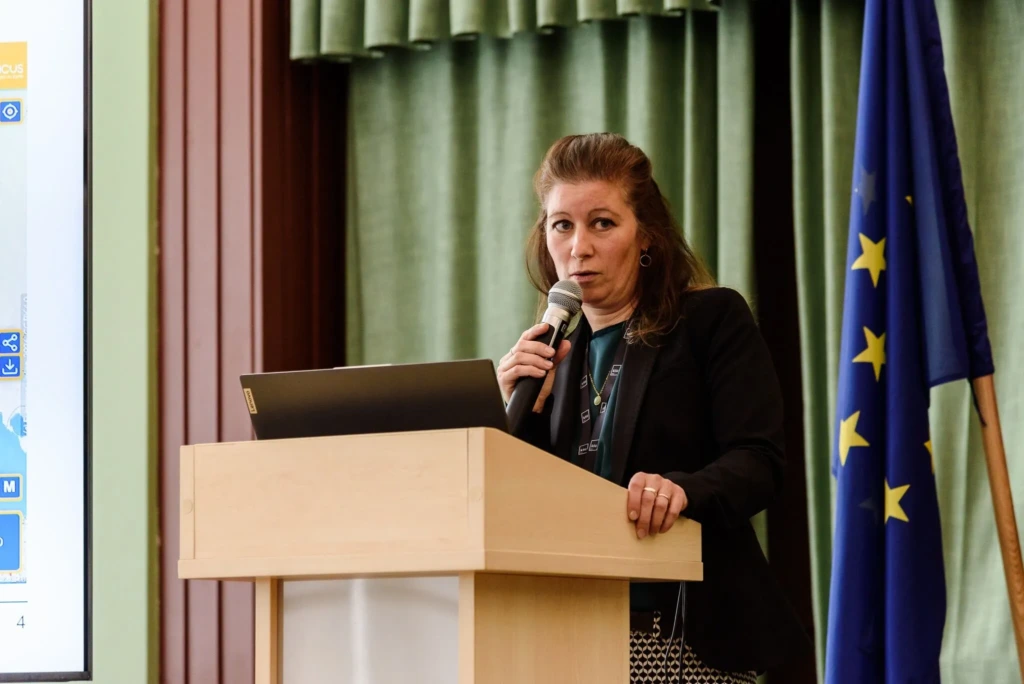
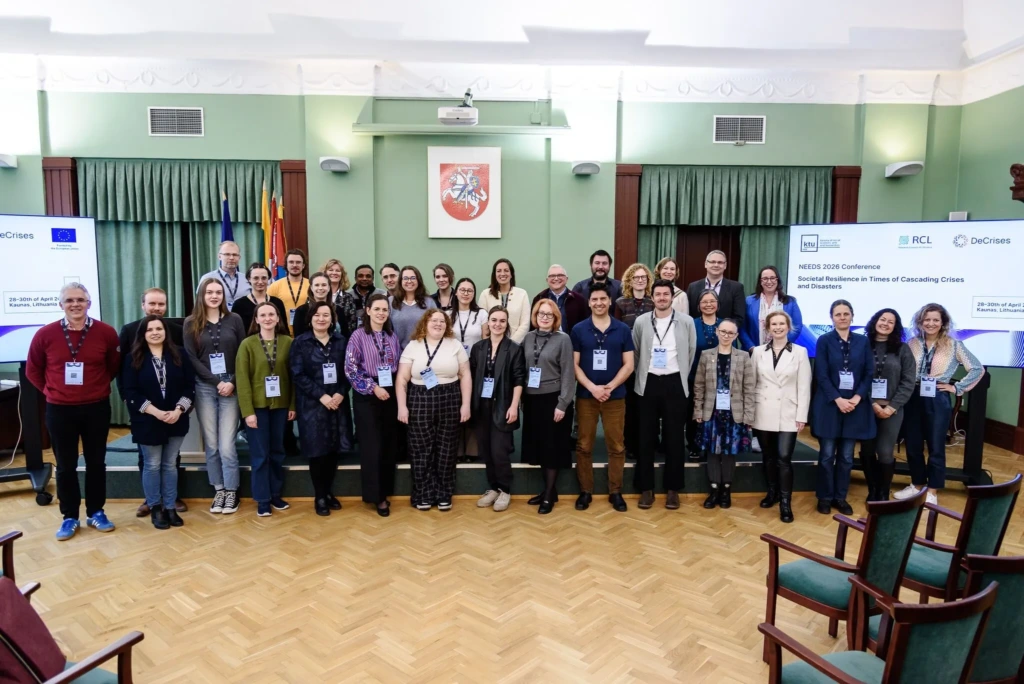
These and other questions have been examined and discussed by scholars, practitioners, and policymakers during the NEEDS (Network of European Emergency and Disaster Studies) conference “Societal Resilience in Times of Cascading Crises and Disasters”, organised by Civil Society and Sustainability Research group at Faculty of Social Sciences, Arts and Humanities of Kaunas University of Technology (KTU), which took place on April 28–30, 2026.
Cascading Crises in the Baltic States
The Baltic states have also witnessed the impact of cascading crises. When the war in Ukraine started in 2022, Europe experienced an energy crisis, which was a “shock therapy” for the EU energy transition.
In Lithuania and the wider Baltic region, cascading crises are shaped by hybrid threats such as cyberattacks, disinformation, hostile influence operations, instrumentalised migration, disruption of essential services, critical infrastructure sabotage, economic pressure, and attempts to exploit social polarisation.
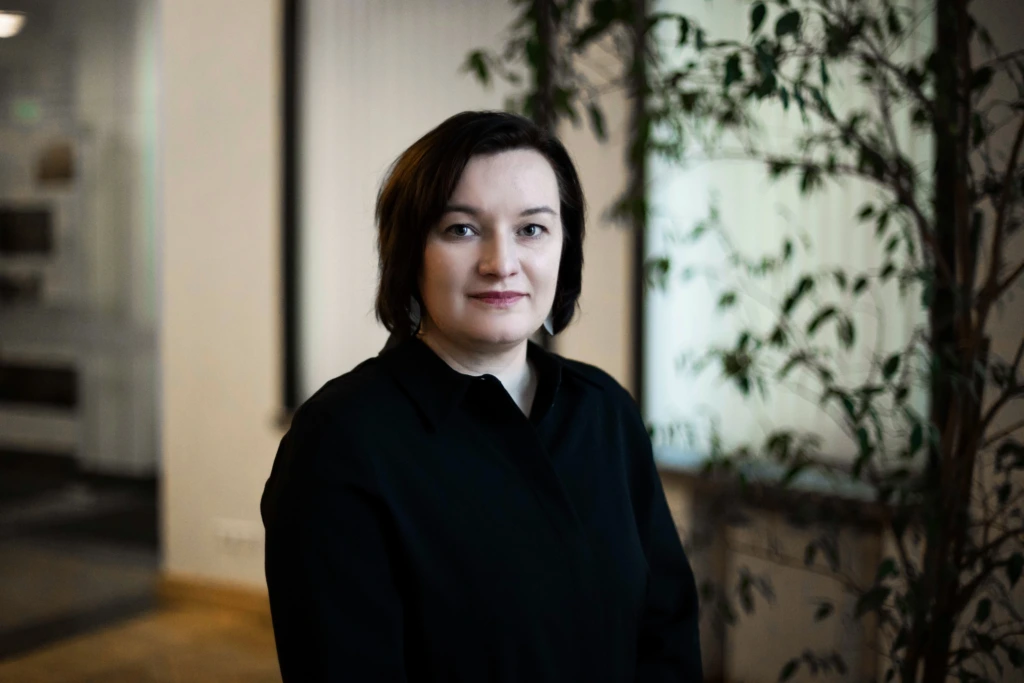
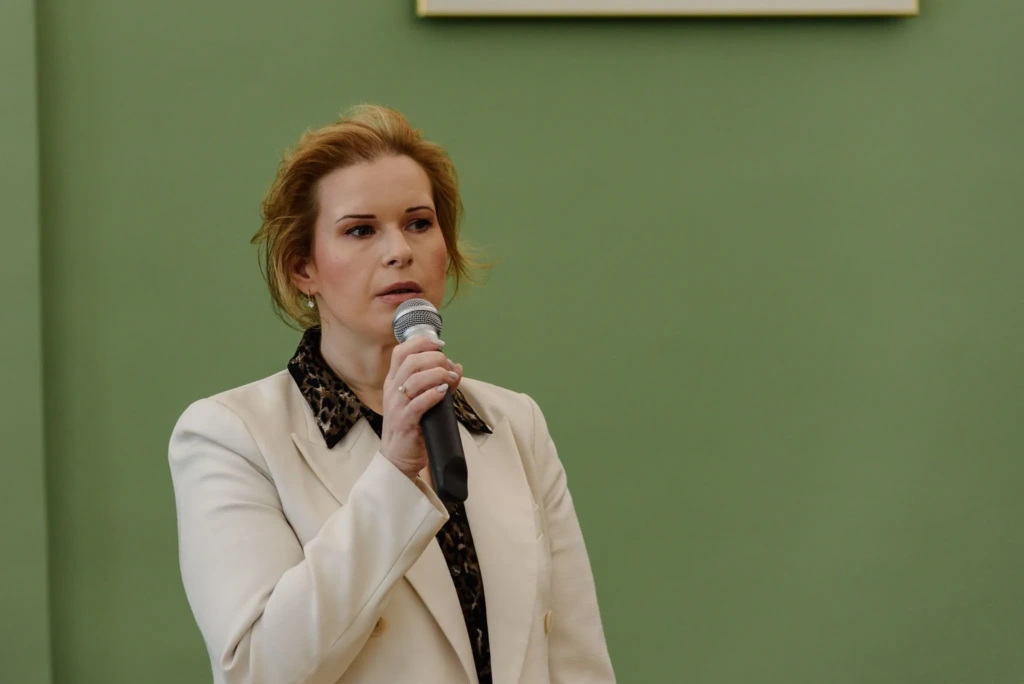
Dr Ieva Gajauskaitė, who currently leads Lithuania’s work on resilience against hybrid threats as Head of Division within the Total Defence and Crisis Management Group at the Ministry of National Defence, revealed that these threats often remain below the threshold of open warfare but can gradually weaken governance capacity, public trust, and social cohesion during her keynote speech at the conference.
One of the partners of the NEEDS conference was the Horizon Europe project “DeCrises”, which focuses on the role of social innovations in the twin transition (energy and digital) in the Baltic Sea region. Social innovation can play an important role in strengthening societal resilience during crises at the local community or regional levels.
Disaster-Related Challenges from a European Perspective
The conference focused on a multidisciplinary approach, which also correlates with the NEEDS network’s values. It was grounded in the social sciences, but brought together ideas and research from many different fields, all looking at disaster-related challenges from a European perspective.
Disaster-related challenges in Europe are increasingly shaped by climate extremes, multi-hazard events, and cascading impacts on critical infrastructure. As the climate warms, extreme weather events are expected to become more frequent and severe, creating risks that do not remain isolated but spread across interconnected systems such as energy, water, transport, and telecommunications.
Traditional disaster risk management often underestimates these risks because it may not fully account for how one disruption can trigger another across different sectors and time scales. This makes multi-hazard early warning systems and cross-sector preparedness essential for Europe’s future resilience.
From Early Warnings to Prepared Action
Preparedness for crises depends not only on having accurate early-warning systems and resilient infrastructure, but also on ensuring that institutions know how to act on the information they receive.
Scenario-based simulation exercises are especially valuable because they allow organisations to test plans, roles, communication channels, and decision-making processes in realistic but low-risk conditions.
These exercises help identify weaknesses in existing systems, improve cooperation between local, regional, and national actors, and strengthen both strategic and operational readiness for future drought events.
During the conference, several crisis simulation scenarios from different international teams were presented. One of the scenarios was prepared implementing the research project “Socio-spatial determinants of societal vulnerability and resilience to crises and strengthening the crisis response potential of communities (SERENITY), funded by the Research Council of Lithuania and implemented by KTU. It had a strong emphasis on cascading crises and risk communication and echoed a need to focus on prevention and anticipation.
The conference attracted more than 130 participants from more than 20 countries, to share scientific and practical insights and to share experiences that can be transferable over cultural and regional contexts for a safer future.
The conference abstract book can be found here.