An exceptional career system, unique projects
When it comes to TiFEC’s activities, the results of the project speak for themselves. One of the solutions implemented is the SmartGrid Sensor, an electrical network monitoring system created to identify network failures more effectively and reduce the risk of power supply disruptions. This solution has been tested in real conditions and was evaluated at the Technorama innovation exhibition, where it won the Mars Lietuva award in recognition of its contribution to smart energy.
Another notable TiFEC success story is the organic oxygen sensors developed in the chemistry laboratory. These sensors are being created and refined by a team of researchers at different stages in their careers. The team is also investigating the properties of the materials used in the sensors. This sensor technology is used in medicine, the food industry, the life sciences, and for monitoring smart packaging. It has already attracted the attention of international research partners.
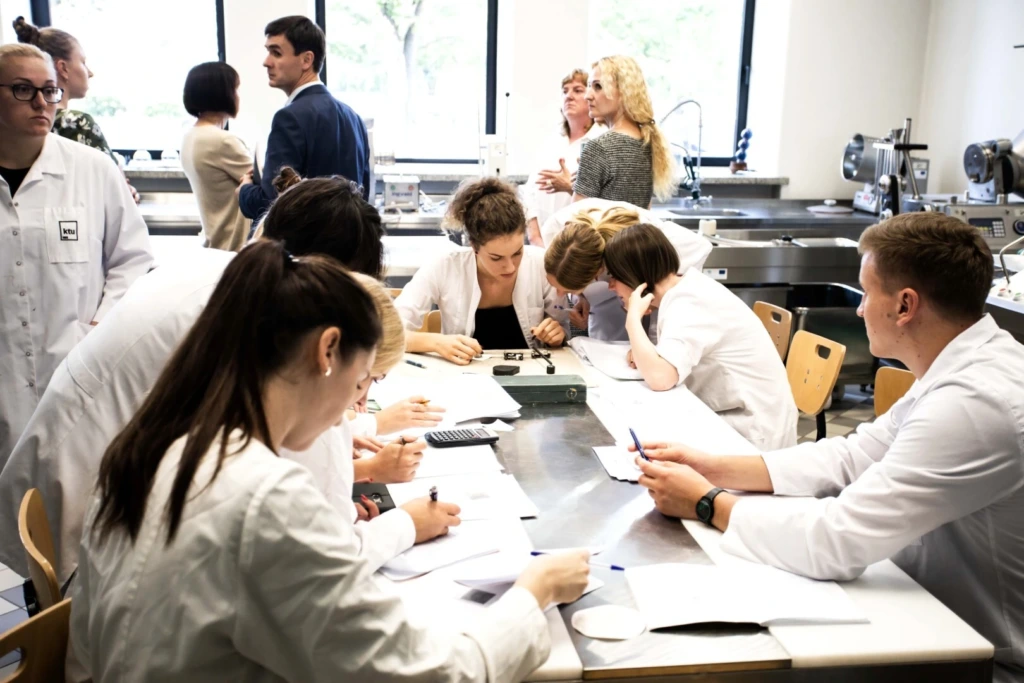
The KTU applied researcher career model defines clear competence levels and evaluation criteria. This system is designed to ensure consistent progress for early-career researchers and provide them with a transparent career path. Mentoring plays an important role here, with doctoral students and early-stage researchers working alongside experienced researchers to develop research directions, prepare publications and gain project experience. Equally important is the well-being of early-stage researchers.
“Another strength of KTU is its flexibility and support. These values are not perceived as an added benefit, but as a core part of the university’s identity. The university creates conditions that allow for a balance between work and personal life, offers psychological support and the ‘How are you?’ well-being programme, provides free sports activities, and fosters an environment that helps prevent burnout. It is a culture where people feel seen and supported,” says Jocienė.
Contributing to top-level projects
From their first months at university, early-career researchers are allowed to contribute to high-level projects, ranging from national initiatives such as TiFEC to international programmes.
“They work with real-world problems, partners and technological challenges related to energy, materials science and chemical engineering. At the same time, their international horizons open up with opportunities such as internships, conferences, summer schools and joint research with foreign centres. These experiences enable new scientists to see a wider world and bring back ideas that later form the basis of new projects and innovations,” says Valatkienė, outlining the range of activities of early-stage researchers.
According to Jocienė, TiFEC and other projects have demonstrated the ability and willingness of early-stage researchers to create meaningful innovations.
“Our goal is to further strengthen their opportunities, expand international cooperation, and ensure that every new talent has the space to test their ideas because this investment pays off in the form of new technologies and leaders. We seek to create an environment where early-stage researchers feel safe, visible and important because only then can they grow, create, experiment and take responsibility. Their success becomes the success of the university and Lithuania as a whole,” she says.
Currently, several hundred early-stage researchers work at KTU, many of whom are already actively contributing to innovation. Their work is published in international journals, wins awards, and becomes real technologies. The university plans to expand its training programmes for early-career researchers further and strengthen their involvement in high-level research.
This article was prepared as part of the project “Centre of Excellence in Technological and Physical Sciences (TiFEC)”. No. S-A-UEI-23-1, funded by the Lithuanian Science Council and the Ministry of Education, Science and Sport of the Republic of Lithuania from the state budget under the “University Excellence Initiative” programme.