Rapid societal and technological change is fundamentally reshaping teaching and learning in higher education. Advances in technology, artificial intelligence, and digitisation are transforming approaches to curriculum design, teaching and learning methods, and strategies for assessing student achievement. Learning must become increasingly engaging, more personalised and competency-based, placing emphasis not only on the acquisition and application of knowledge, but also on the development of critical thinking, the ability to operate in interdisciplinary contexts, and the capacity to create new value for society. The University aims to ensure a transformative learning experience that reshapes students’ ways of thinking, perspectives, and capacity to act in an interconnected global future. This approach to learning is grounded in experience and action through real-world projects, innovation-driven activities, interdisciplinary research, and international internships.
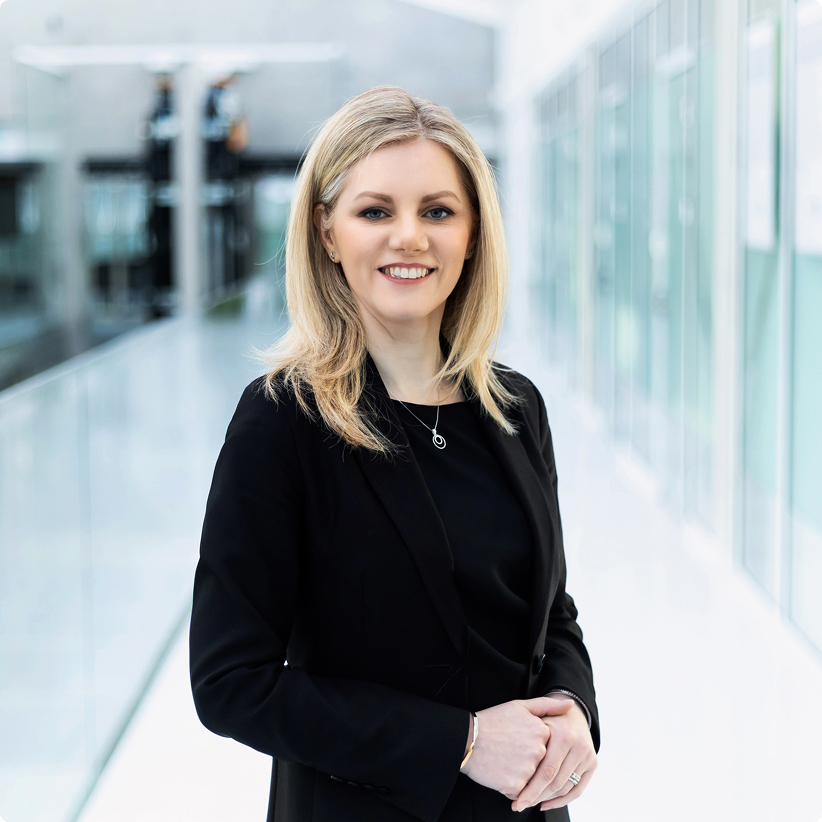
Strategic direction Engaging, Transformative and Empowering Learning for the Future commits the University to advancing the success of every student by fostering an engaging and supportive learning environment that enhances career competencies, encourages self expression, ensures accessibility of studies, and builds psychological resilience. Curriculum grounded in future-oriented competencies, innovative teaching approaches, meaningful student experiences, and flexible lifelong learning pathways enables a dynamic, research-based, and forward looking learning ecosystem that responds to evolving labour market demands and learners’ expectations.
Assoc. Prof. Dr. Kristina Ukvalbergienė
Vice-Rector for Education
Implementing the priorities of this strategic direction, KTU is creating an inclusive, competence-based learning ecosystem tailored to future needs, bringing together personalised studies, experiential learning, digital technologies, teaching staff pedagogical development, student well-being and lifelong learning.
S1 |
Future-Proof Competency-Driven Curriculum |
1.1. Launch of a competency-based study model.
1.2. Rollout of flexible master’s programme formats.
1.3. Building an advanced physical and virtual simulation lab.
1.4. Embedding experiential learning across study programmes.
Objective
To deliver excellence-driven, innovative study programmes that develop future-ready competencies and equip students to navigate and succeed in a rapidly evolving labour market.
S2 |
Innovative and Research-Informed Teaching |
2.1. Develop an instructional design model for teachers.
2.2. Integrate digital technologies into teaching and learning.
2.3. Advance innovative pedagogy and engaging assessment strategies.
2.4. Establish a system for recognising teachers’ didactic competencies.
Objective
To ensure an innovative, research-informed, and technology-enhanced study process grounded in contemporary pedagogy and focused on the development and recognition of teachers’ didactic competencies.
S3 |
Inclusive and Growth-Oriented Student Experience |
3.1. Develop a framework for students’ career-relevant skills.
3.2. Empower student self-expression and communities.
3.3. Enhance accessibility across the learning environments.
3.4. Strengthen students’ psychological resilience.
Objective
To create an inclusive, empowering, and growth-oriented learning environment that enables students to fully realise their potential, develop personal and professional competencies, and prepare for successful careers in a constantly changing world.
S4 |
Flexible Lifelong Learning Ecosystem |
4.1. Implement a lifelong learning model.
4.2. Develop a competitive portfolio of training programmes.
4.3. Establish a digital information platform.
4.4. ntroduce a competence passport and microcredentials system.
Objective
To create a flexible lifelong learning ecosystem that enables diverse learner groups to acquire relevant knowledge and skills at different stages of their lives.
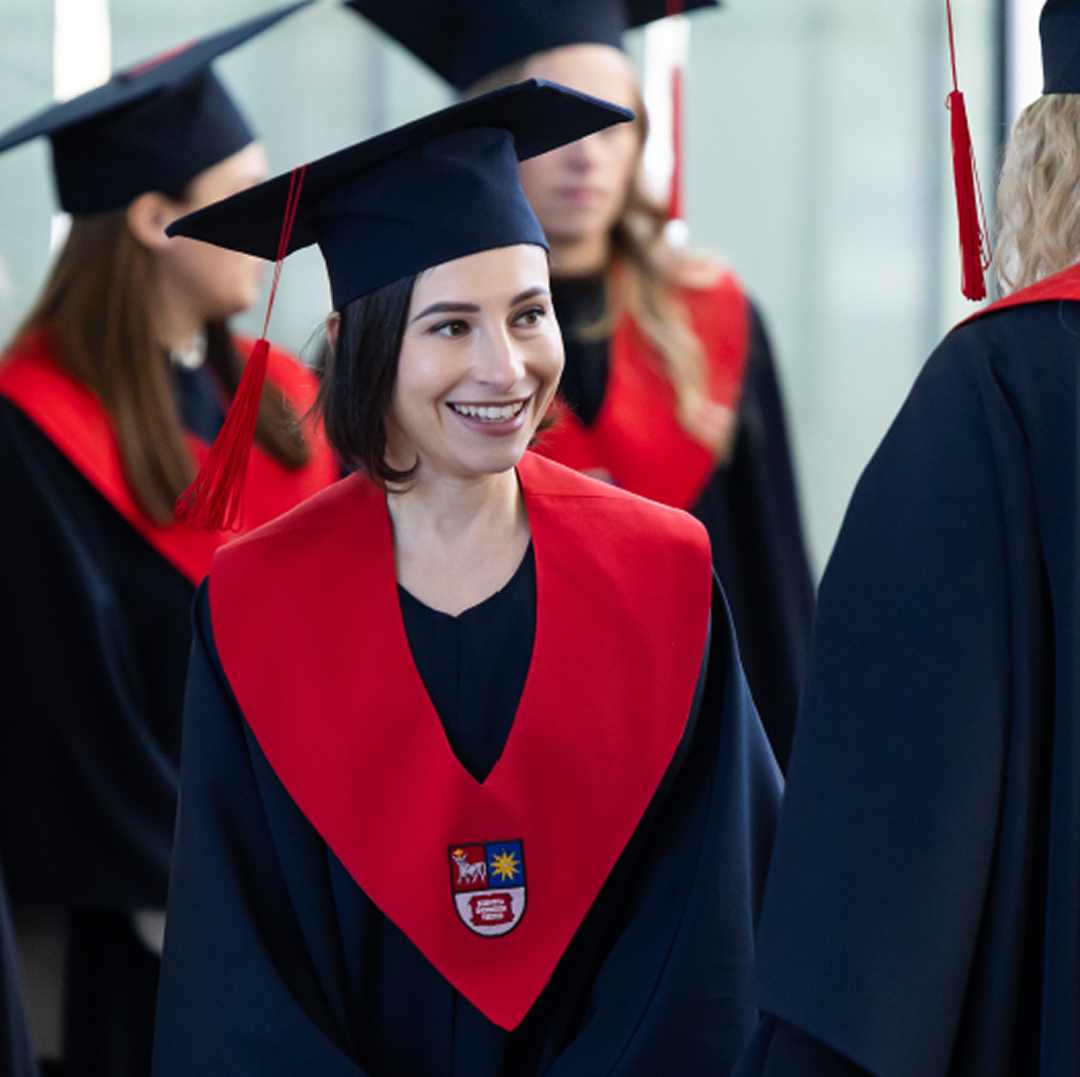
The implementation of the strategic initiatives will strengthen the University’s position as a forward-looking, open, and student experience-centred institution. A competency-based and personalised study model will increase student engagement and learning satisfaction and contribute to enhanced academic performance. A contemporary learning environment underpinned by innovative pedagogy, flexible learning pathways, and labour market-aligned study programmes will ensure high graduate employability in highly skilled roles and increase employer satisfaction with graduate’s preparedness.
Graduates will stand out for their interdisciplinary competencies, critical and systematic thinking, entrepreneurial mindsets, and the ability to operate effectively in an international environment. Studies at the University will become a transformative experience that fosters students’ creativity, responsibility, and their capacity to address global challenges.
The University will attract high-achieving students from Lithuania and abroad, strengthen its academic reputation, and enhance its competitiveness among the leading European universities of a similar profile. A system for recognising the didactic competencies of teachers will create an environment in which teachers are empowered to continuously improve their competencies, while also feeling valued for their pedagogical expertise and innovations in teaching and learning.
Vice-Rector for Education
Assoc. Prof. Dr. Kristina Ukvalbergienė
K. Donelaičio St. 73, LT-44249 Kaunas
email kristina.ukvalbergiene@ktu.lt