Drawing on its accumulated experience and placing particular emphasis on the voice of its academic community and partners, Kaunas University of Technology is entering a new stage in which it seeks to purposefully shape the innovation ecosystem and become one of its strategic leaders, contributing to sustainable and long-term prosperity for society and the state. The strategic goals for the coming period will enable the University to become a progressive, open, and inclusive learning environment, an innovation hub built on expertise and competence, a responsible and inclusive employer, and a trusted partner that creates impact.
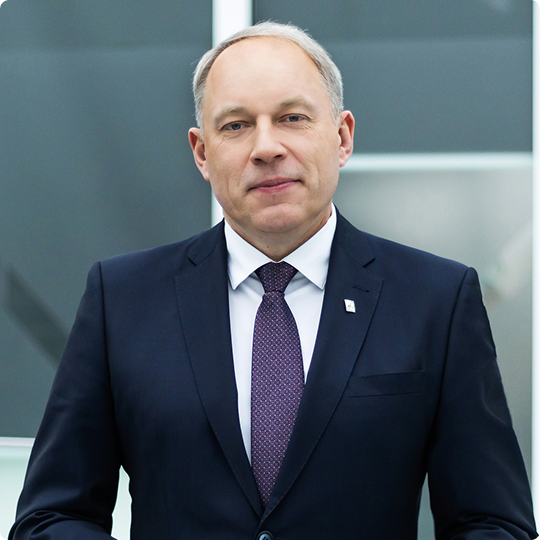
Our University’s motto, The Human Side of Technology, reminds us that behind every technology stands a human being. Our goal, therefore, is for KTU to remain a university that not only responds to change but actively helps to shape it – by bringing people, ideas, and initiatives together to a meaningful, shared action. I believe that this strategy will continue to unite us as a community that is strong, open, and responsible. The University is us: our engagement, our ideas, and our shared will to create the future.
Prof. Eugenijus Valatka
KTU Rector
The KTU vision and mission define the identity and direction of the University and its community, as well as a responsible commitment to act, create, drive change, and unite. The University is an engine of thought, creativity, and change, contributing to creating long-term societal well-being.
An interdisciplinary university of technology, competitive internationally, creating an ecosystem for studies, research, and innovation aimed at a sustainable future and societal well-being.
To unite and educate creative and responsible individuals, to create and transfer new knowledge, and to foster innovations that have an impact on society.
The University’s core values reflect its internal culture and aspirations to consistently balance academic excellence and social responsibility, tradition and modernity, individual growth and a shared commitment to community.
A conscious and honest commitment to take responsibility for decisions, while maintaining a balance between human well-being, respect for nature, and technological progress.
A continuous development in the pursuit of the highest quality, guided by standards of academic excellence and ethics, and grounded in scientific knowledge, experience, and respect for the profession.
An open approach to progress and the search for new solutions, through the purposeful application of new ideas and technologies to advance sustainable development.
A vibrant and open community that nurtures co-creation, collaboration, diversity, mutual support and trust, and builds long-term relationships.
The KTU strategy builds on the achievements and experience of 2020–2025, which provide a solid foundation for its further development. In 2026–2030, the University’s strategic activities focus on creating breakthroughs in areas aligned with the European Union and national smart specialisation priorities, aiming to contribute to a sustainable future, advancing technological progress, and enhancing societal well-being. The strategic activities are based on the synergy of research and innovation, and on cooperation between the academic community, business, public sector and society, thereby ensuring the real impact on Lithuania’s competitiveness and resilience in the global context.
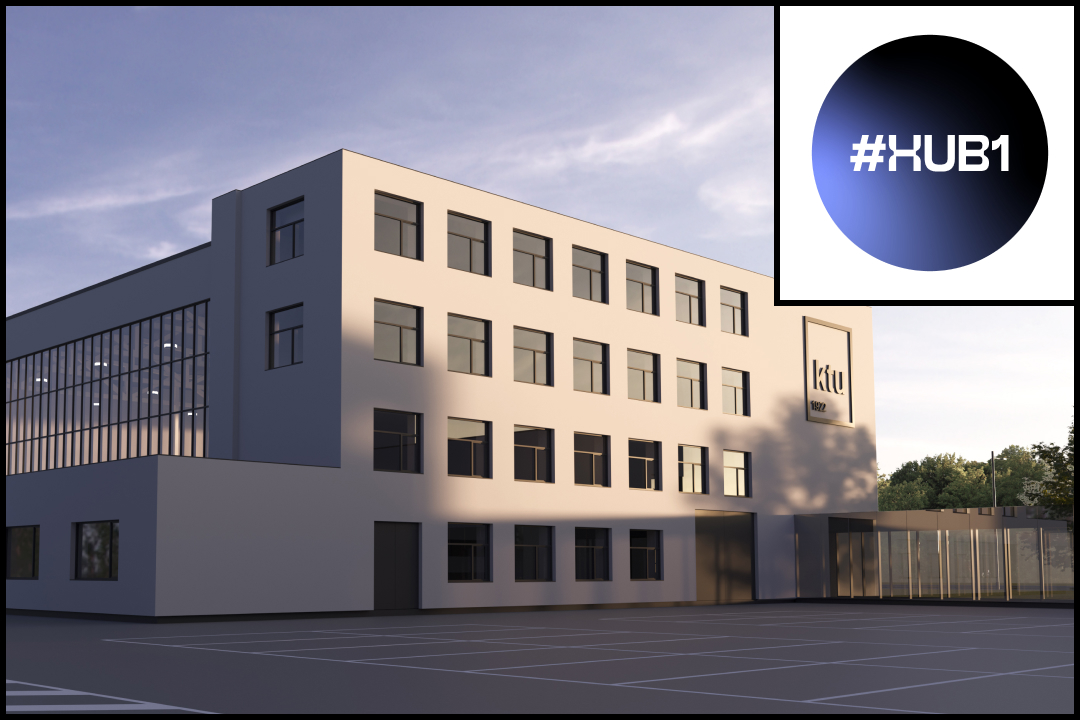
Aligned with the smart specialisation priority New Manufacturing Processes, Materials, and Technologies (developed on the basis of the SmartEcoTech project).
The cluster focuses on developing advanced materials and structures, manufacturing and process management, design technologies, and energy efficiency solutions.
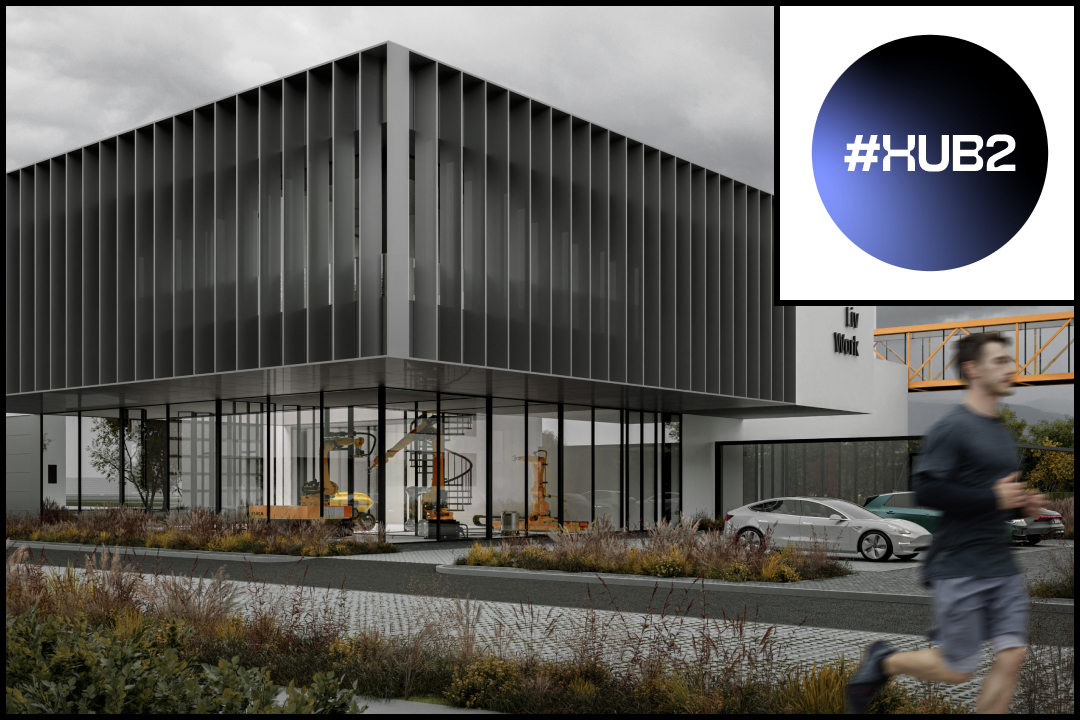
Aligned with the smart specialisation priority Information and Communication Technologies (developed on the basis of the SustAInLivWork and DigiDefense projects).
The cluster advances work in artificial intelligence, big data analytics, cyber security, audiovisual media technologies, and social innovation solutions.
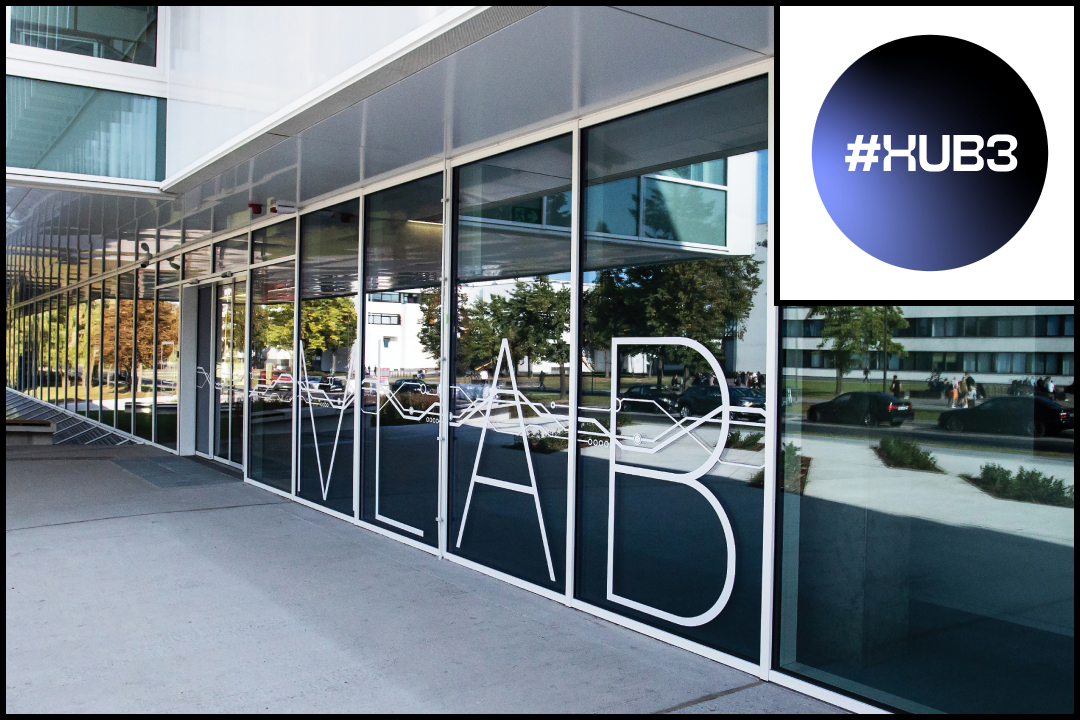
Aligned with the smart specialisation priority Health Technologies and Biotechnologies (developed on the basis of the TIFEC project).
The cluster advances work in applied health technologies for individual and public health, advanced medical engineering for diagnostics and treatment, solutions for safe food development, and sustainable agrobiological resources.
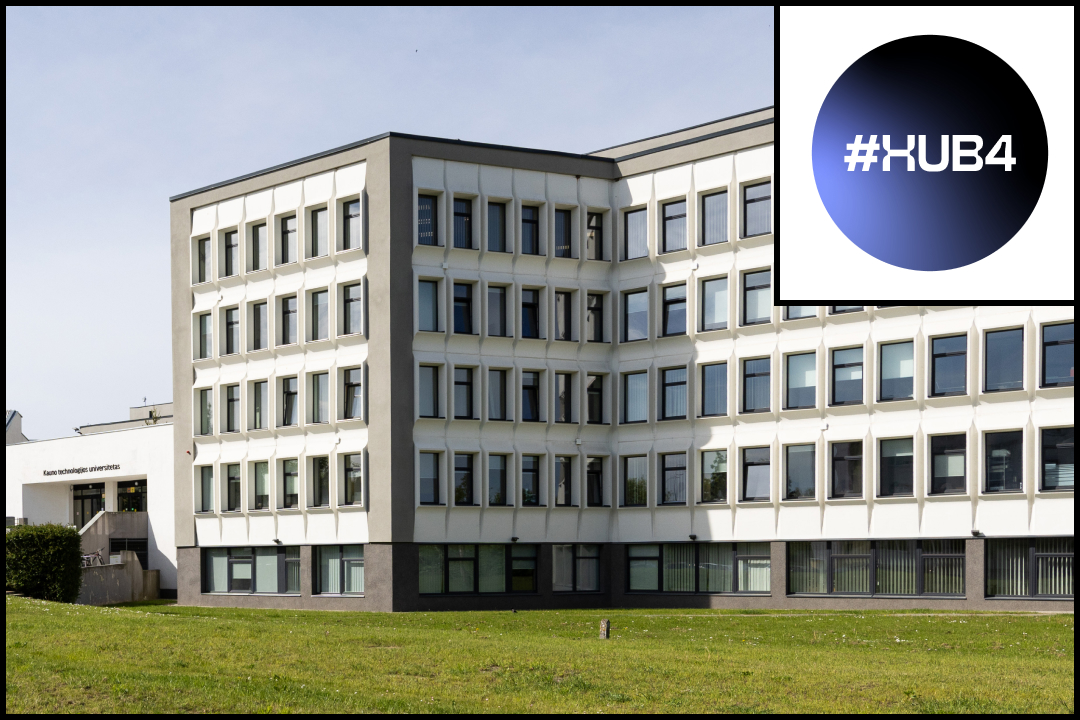
Developed on the basis of the Competence Centre for Autonomous, Remotely Operated, and Connected Systems project and consolidating and strategically directing activities across the other four breakthrough areas. The cluster integrates knowledge and competencies of the Energy and Electronics, AI and Cybersecurity, and Health Technology clusters for defence purposes. The cluster advances work in initiatives to strengthen societal resilience, security, and defence technologies, and their strategic application to enhance national security and societal well-being.
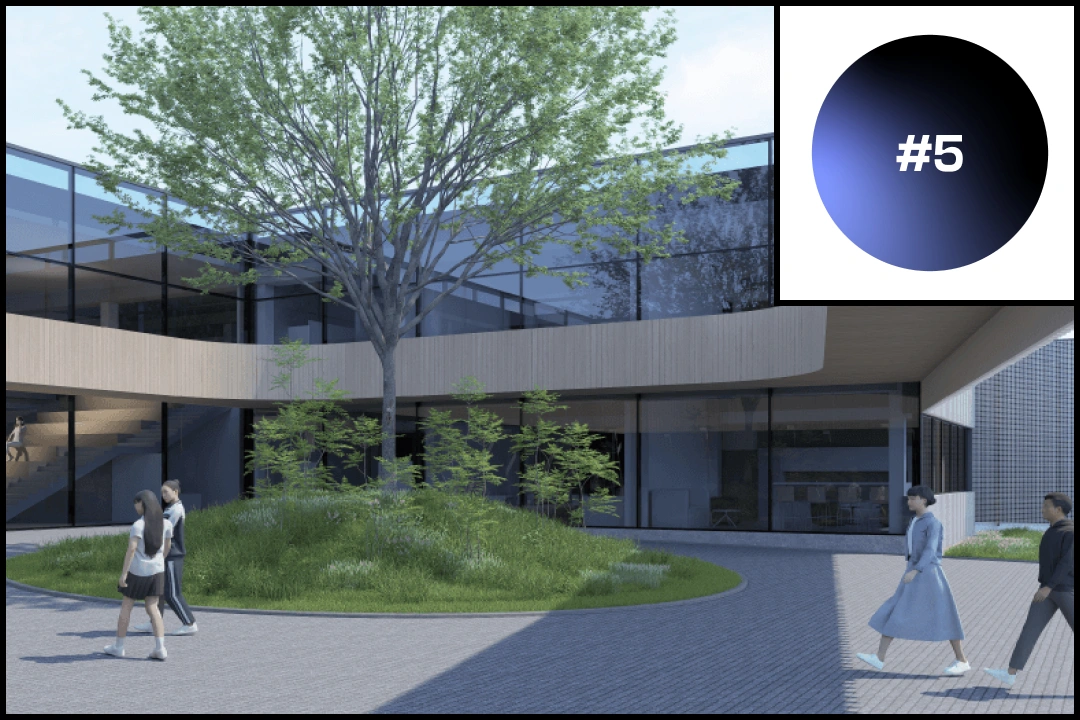
Developed on the basis of the KTU Teacher Education Centre, with a long-term objective of improving secondary and high school students’ preparedness in sciences, technology, engineering, arts, and mathematics (STEAM). The cluster advances work in innovations in STEAM didactics, hybrid learning models, and educational technologies; conducts interdisciplinary educational research on sustainable development and future competencies, and applies big data analytics to education-related solutions.


Vice-Rector for Education
Strategic direction Engaging, Transformative and Empowering Learning for the Future commits the University to advancing the success of every student by fostering an engaging and supportive learning environment that enhances career competencies, encourages self expression, ensures accessibility of studies, and builds psychological resilience. Curriculum grounded in future-oriented competencies, innovative teaching approaches, meaningful student experiences, and flexible lifelong learning pathways enables a dynamic, research-based, and forward looking learning ecosystem that responds to evolving labour market demands and learners’ expectations.
Vice-Rector for Research
Strategic direction Research and Development for Technological Progress aims to increase the impact of research and art activities on society and the economy. This will be achieved by pooling resources in key areas, strengthening researchers’ capabilities and international recognition, and expanding partnerships to create innovative solutions and knowledge that contribute to the country’s progress and competitiveness.

Vice-Rector for Community Affairs
The strategic direction Engaging and Creative Community commits the University to strengthening community spirit, fostering an open and supportive organisational culture, upholding the principles of equal opportunities, promoting psychological well-being, and creating conditions for every member of the University to grow, create, and act responsibly in shaping the University’s future.
Vice-Rector for Strategic Partnerships
The strategic direction Impact on Ecosystems commits the University to creating and transferring knowledge, strengthening its role as a trusted strategic partner and a leading expert voice, and laying the foundations for a smart, resilient, and globally competitive society of the future.
The success of a university in today’s context is no longer defined solely by strong academic performance or outstanding research outcomes. It is also shaped by the institution’s ability to operate in an integrated way, where core strategic priorities are supported by horizontal, day-to-day operating principles that promote a holistic approach to long-term institutional development and value creation:

KTU enhances internationalisation by expanding study and research partnerships, attracting international students and academic staff, increasing mobility opportunities, and engaging more actively in global academic networks.
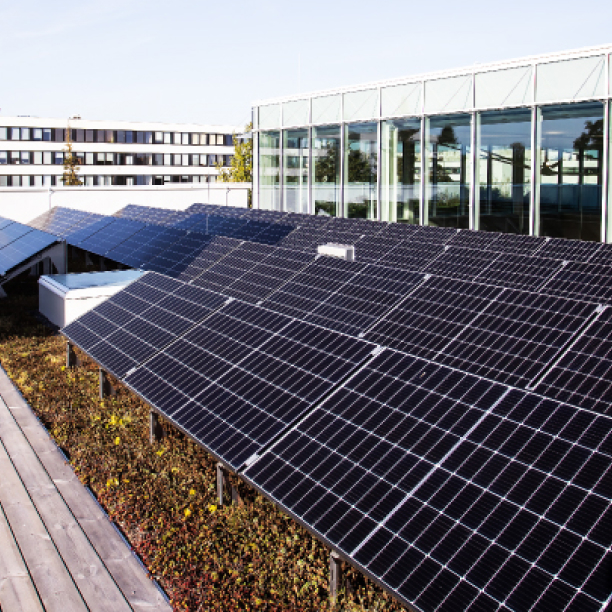
KTU integrates sustainability into studies, research, innovation and community activities, strengthening responsible resource use, sustainability competencies, inclusion, a safe environment, transparent governance and civic engagement.
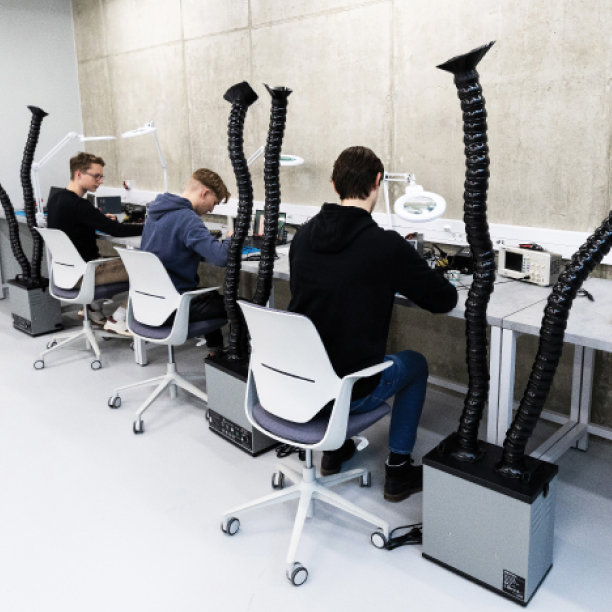
KTU combines knowledge from different scientific fields in studies, research and innovation, fostering interdisciplinary competencies, encouraging joint research, project-based activities, interinstitutional collaboration and the practical application of ideas.
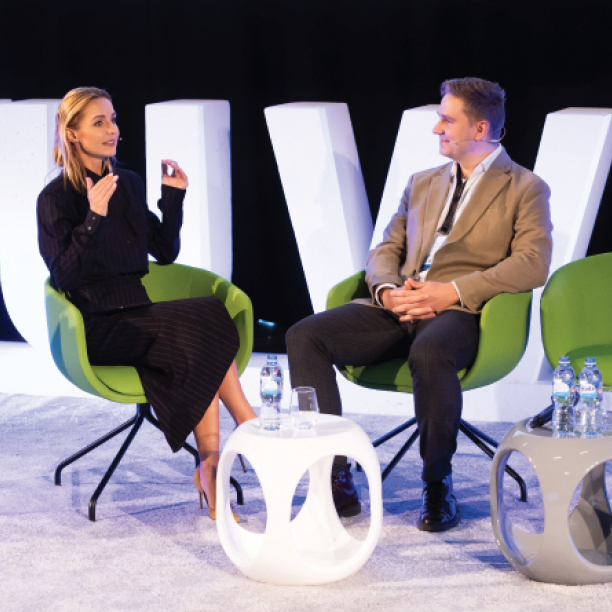
KTU strengthens entrepreneurship in studies by involving business, public sector and NGO partners, developing creative spaces, prototyping infrastructure, start-up development programmes and opportunities for idea commercialisation.
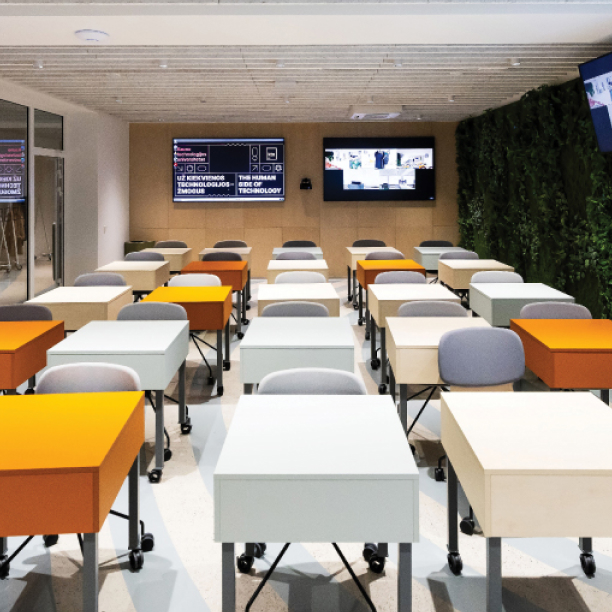
KTU creates an empowering study and work environment by modernising learning spaces, laboratories and digital processes, expanding sports and leisure infrastructure, implementing AI tools and strengthening community well-being.
KTU strategy implementation is grounded in clearly planned activities and responsibilities, and in consistent progress monitoring. Together with the 2026–2030 strategy, a long-term action plan enables the strategic alignment of objectives, resources and activities from University level through units to individual goals, ensuring transparency, accountability and agile responsiveness to external changes. Community involvement and continuous collaboration are key factors in creating sustainable, long-lasting change.
You are invited to explore the University’s strategic directions, priorities and operating principles in more detail by downloading the full version of the strategy.
Director of Strategy and Quality Management
Dr. Lolita Jurkšienė
K. Donelaičio St. 73, LT-44249 Kaunas
email lolita.jurksiene@ktu.lt