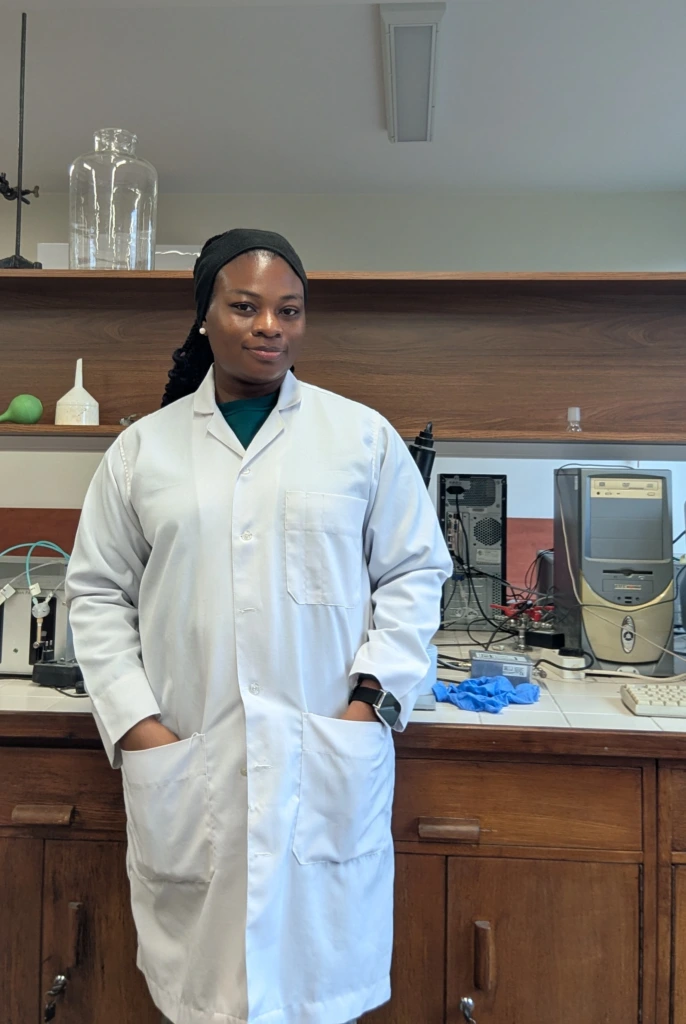
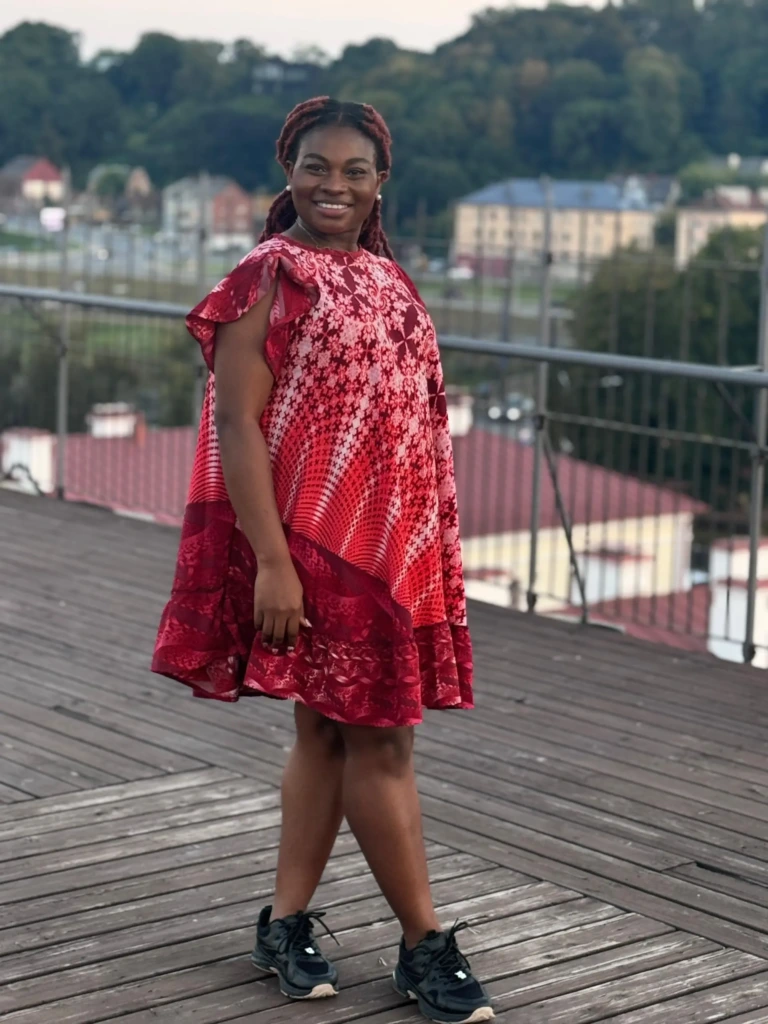
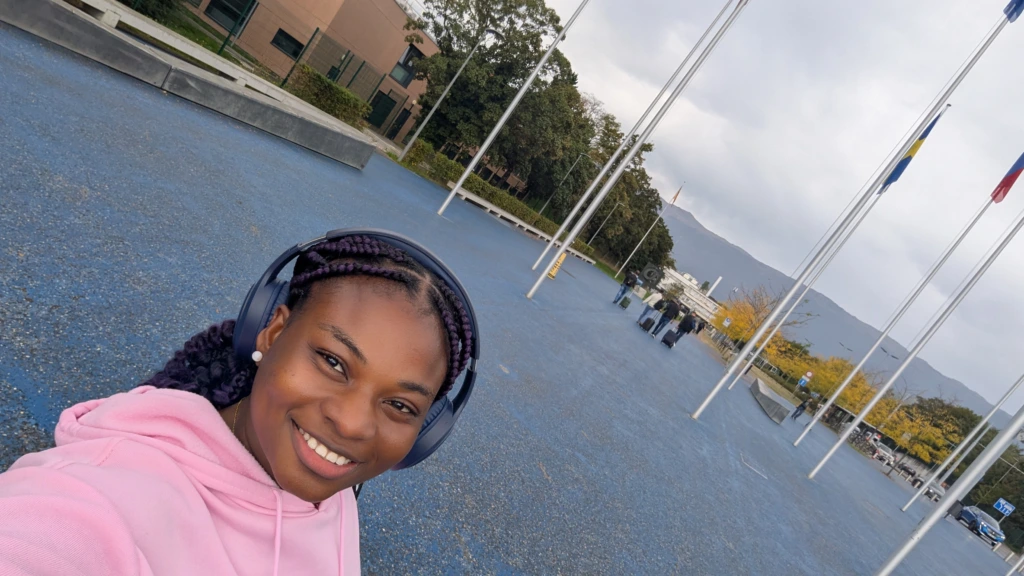
Growing up in Nigeria, Maria-Anthoniette Oghenetejiro Onoriode-Afunezie was always aware of how essential clean water is and how uneven access to it can be. “This was never an abstract problem for me; it was something I could observe around all the time,” she says. Years later, this awareness guided her to choose a path where she could work on solutions that make a real difference.
“I’ve always been interested in processes that improve the environment and human health,” she explains. Over time, that interest evolved into a determination to work with technologies that can improve water safety in places that need it most.
Designing cheaper and simpler solutions for cleaning water
When Maria-Anthoniette reflects on why she chose to work in water purification, she traces it back to what she observed growing up. “Clean and safe water is essential, and I became increasingly aware of how challenging it can be when reliable treatment systems are limited,” she says.
Globally, the need for such innovations remains massive. About 1 in 4 people worldwide, roughly 2.1 billion individuals, still lack access to safely managed drinking water. For communities in rural or economically challenged regions, affordable, efficient purification technologies like the one she develops may not only improve water quality but also prevent waterborne diseases and reduce public-health risks.
Her goal is clear – to help improve water safety where it is most needed. “Nigeria, like many countries, still struggles with access to clean water and has very few wastewater treatment plants,” she notes. Ultimately, Maria-Anthoniette hopes her work contributes to improving water safety and environmental health in places where it’s urgently needed.
Surprised by Lithuanian punctuality
Cultural differences were just as noticeable. While people in Nigeria are often expressive and quick to interact, communication in Lithuania follows a quieter rhythm. Still, that initial reserve soon revealed a warmer side. “People may seem reserved at first, but they are warm and helpful once you connect with them,” she says. Over time, what once felt foreign became part of her daily routine.
At the moment, her focus remains firmly on her research in Lithuania. “At this stage, Lithuania is where my academic journey is unfolding, and I’m fully focused on my research here,” she says.
Looking further ahead, Maria-Anthoniette keeps her options open: “In the long term, I’m open to different possibilities. My path will largely depend on where I can continue growing and where my work in water treatment technologies can make the most meaningful impact”.