Christmas is often imagined as a time spent with family, shared meals, festive music, and familiar traditions. While the feeling of togetherness is widely recognised, the way the festive season is experienced can look very different around the world.
International students from Nigeria, Azerbaijan, and Colombia studying at Kaunas University of Technology (KTU) share what the festive period means to them and how it is celebrated in their home countries, while spending this time in Lithuania.
Christmas in Nigeria is hot
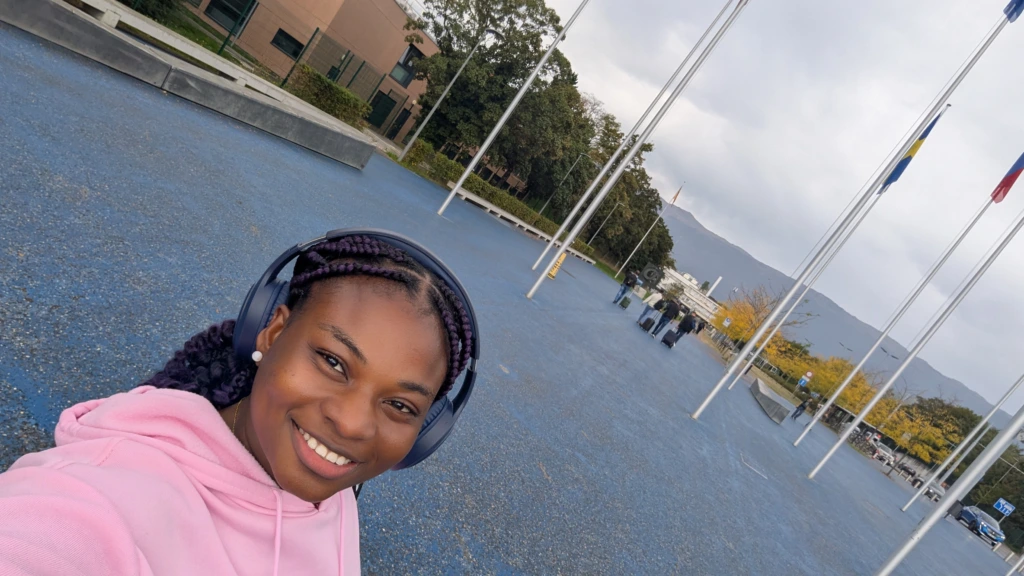
In Nigeria, Christmas is one of the most important religious and family celebrations of the year. For Maria-Anthoniette Oghenetejiro Onoriode-Afunezie, a PhD student in Chemical Engineering, attending church is an essential part of the holiday. “In my family, attending church is very important, so we usually go to both Christmas Eve Mass and Christmas Day Mass,” she says.
This year, Maria will spend the holidays in Lithuania. She plans to attend Christmas Day Mass, take time to rest, and catch up on her research work. She is also looking forward to spending time with friends and experiencing local traditions, including visiting Christmas markets.
Comparing the festive season in Lithuania with Christmas in Nigeria, Maria finds the differences clear. “In Lithuania, it is cold, often snowy, and generally calmer and quieter. In contrast, Christmas in Nigeria is hot, lively, and very social,” says Maria. She also notices that while Christmas Eve plays an important role in Lithuania, Christmas Day remains the main highlight back home.
A festive season focused on the New Year
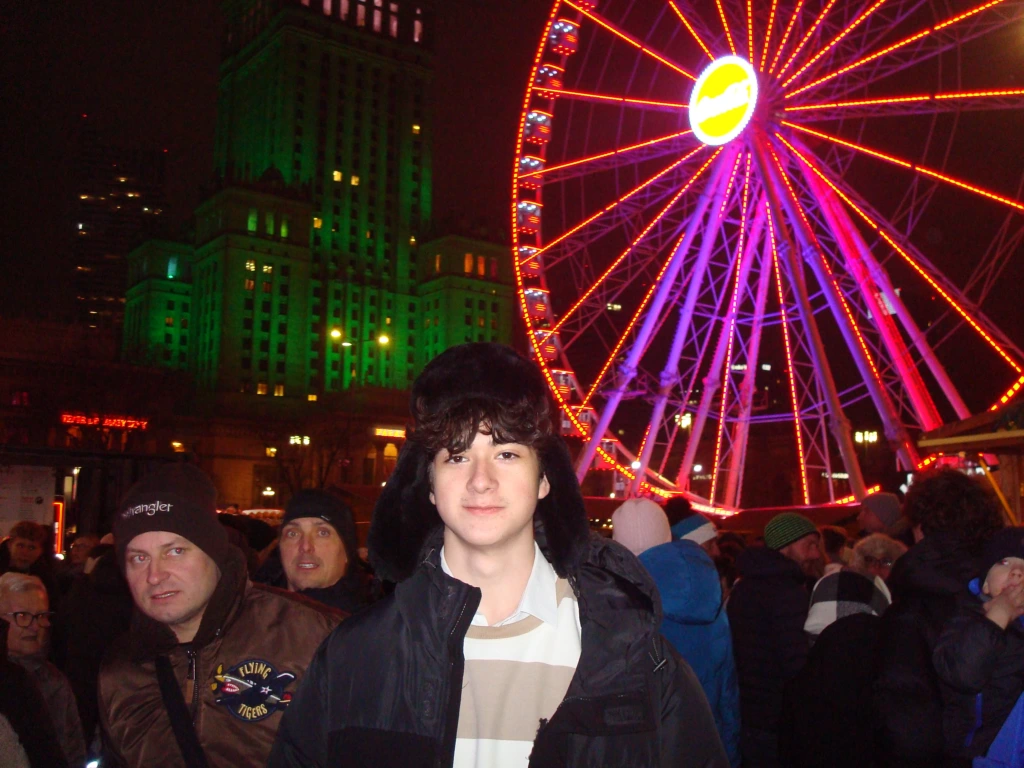
In Azerbaijan, the festive season is a time when cities are decorated, events take place, and people gather with both family and friends. For Ali Abbasov, a 17-year-old student, currently studying Artificial Intelligence at KTU this festive period is divided into two parts: quiet time at home and more lively celebrations in the city.
There are no specific dishes tied to this time of year, as families usually prepare national Azerbaijani food or choose what they prefer. Comparing the festive atmosphere with Lithuania, Ali notices a clear difference. “The weather in Lithuania is way colder, so it gives it more of a winter festive aesthetic,” he says, adding that snow is far less common in Azerbaijan.
When the celebration lasts for weeks
As KTU Mechatronics student Gerson David says, Christmas is the most anticipated time of the year in Colombia. Children start counting the days until Christmas months in advance, long before December arrives. The festive season officially begins on 7 December, when candles are lit across the country, and traditionally ends on 6 January.
Special seasonal foods, known as comidas navideñas, are prepared and shared, including custards, cakes, and tamales. For Gerson, the festive atmosphere is closely connected to colour, light, and togetherness.
Spending the Christmas period in Lithuania felt very different for him. Coming from a tropical country, winter itself became the biggest surprise. “Winter in Lithuania and all the snow feels like a decoration, honestly. I have loved it so far,” he says. In Colombia, artificial snow made from cotton is sometimes used as a decoration.
For Gerson, however, Christmas is not defined by weather or decorations. “Christmas means joy, love, reconciliation, unity, and a time that brings families together,” he says, adding that during this period, everyday conflicts seem to fade into the background.