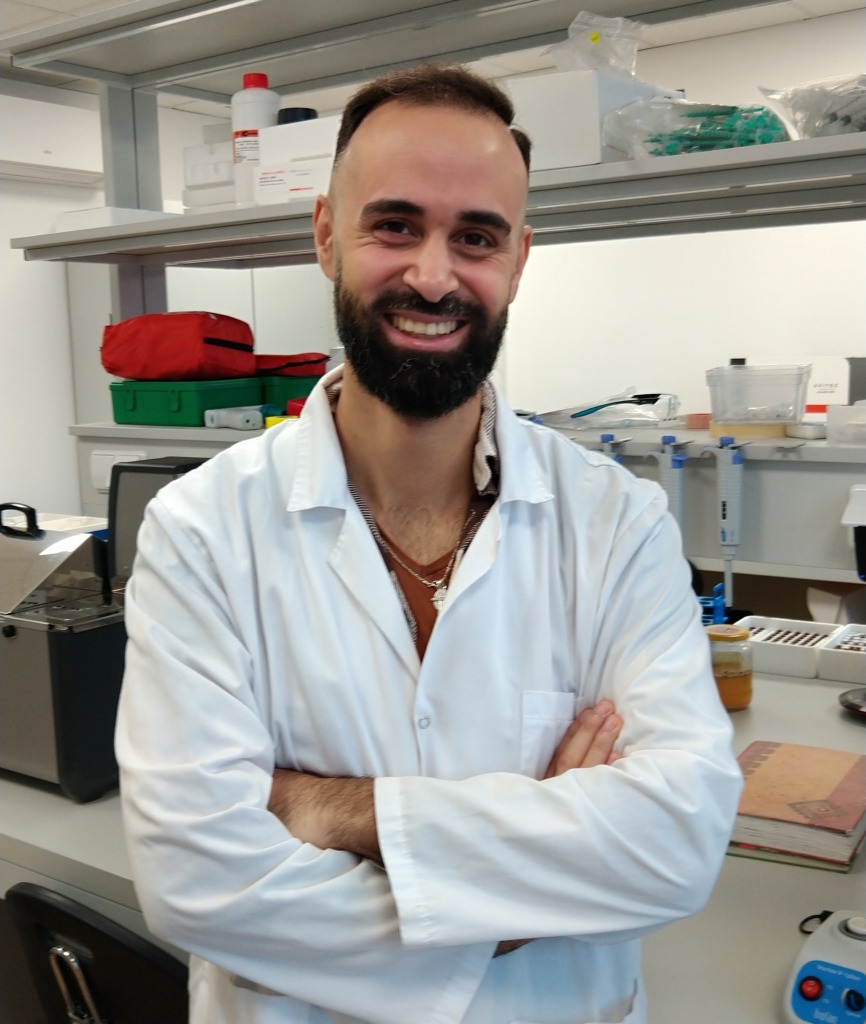
A common example is insulin production – bacteria cannot naturally produce insulin, but scientists can modify them so they are able to do it,” he explains.
His research lies within the field of metabolic engineering, which is becoming increasingly important in addressing global challenges. With growing challenges related to energy, pollution, and limited resources, more sustainable production methods are becoming increasingly important.
“By engineering bacteria, it is possible to reduce the use of harmful chemicals because many processes can happen inside the microorganisms themselves. In some cases, bacteria can even use CO2 during production, which could help reduce greenhouse gas emissions and make industrial processes more environmentally friendly. These microorganisms can also be engineered to produce useful compounds for industrial and medical applications,” says Mazraani.
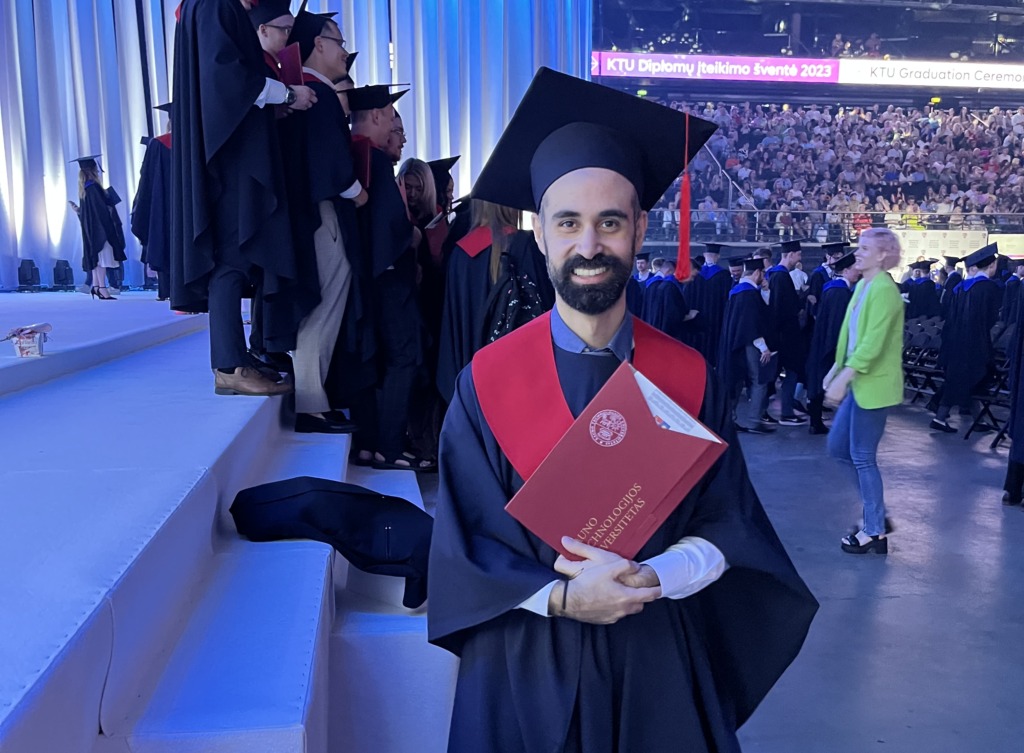
Looking back, he sees his academic journey closely tied to his personal growth. “I owe Lithuania and KTU a lot for shaping who I am today, pushing myself, seeking jobs, going to conferences, experiencing different cultures, learning a new language and accepting the differences,” he reflects.
Calling Lithuania a Second Home
While Mazraani’s academic journey gave purpose and agenda to his time in Lithuania, everyday life added another layer of experience. From the very beginning, the differences were impossible to ignore. “I had just left a country with temperatures over 20 degrees Celsius all year round and arrived directly into below-zero conditions – it was shocking, to say the least,” he says, recalling his first days in December.
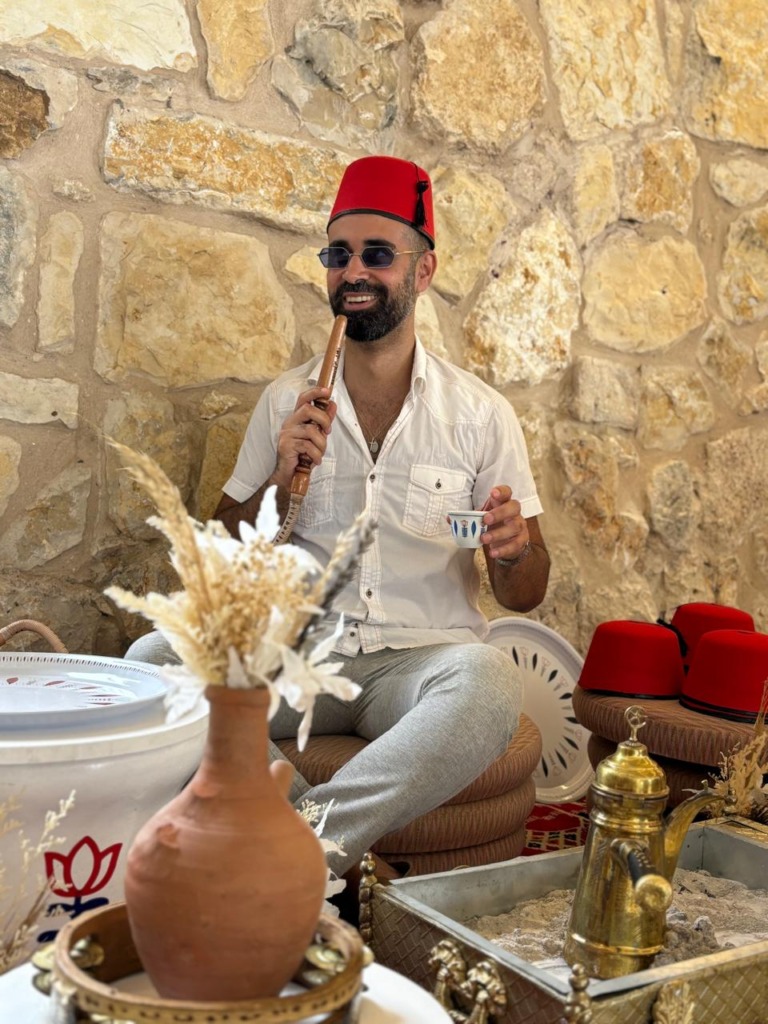
Beyond the weather, the contrast became most visible in human interaction. “In Lebanon, people are very physical. We hug and kiss when we greet others, even if we don’t know them,” he explains. In Lithuania, communication felt more reserved at first, requiring a different approach. “People here are very nice, but more reserved. When you initiate contact, they may seem cautious at first, but they open up over time. In Lebanon, it’s different – you can leave your door open, and even strangers might come in just to have a glass of water,” he says.