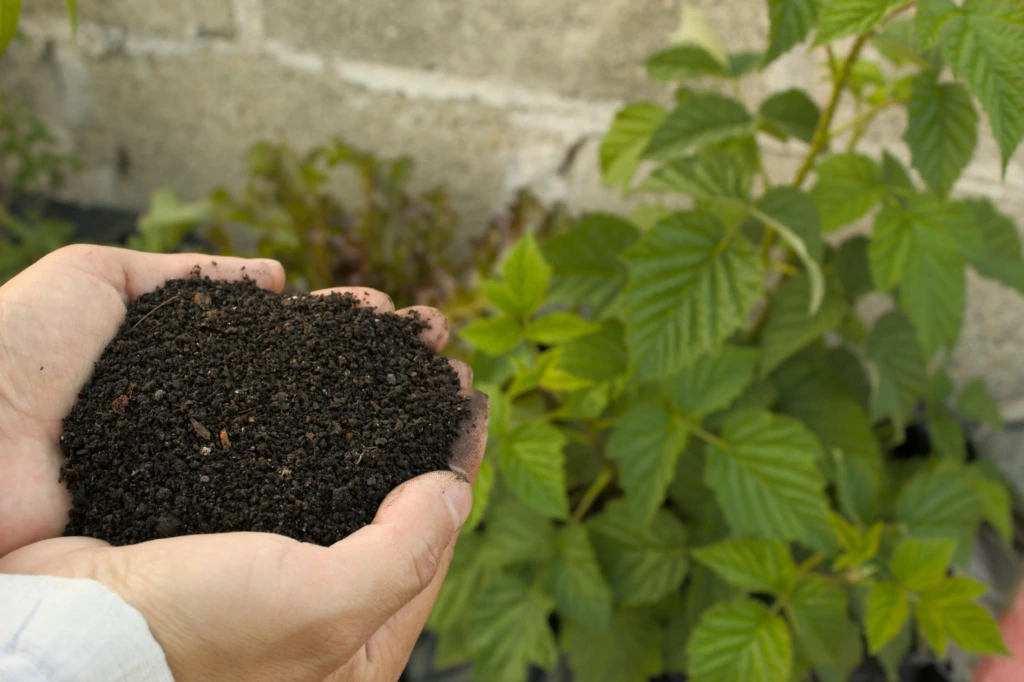
The European Commission, in pursuit of the Green Deal’s objectives – to reduce environmental pollution, promote the circular economy and increase agricultural sustainability – aims to reduce the use of mineral fertilisers by at least 20 per cent by 2030. A PhD student at Kaunas University of Technology (KTU), who is developing new fertilisers from insect farming waste, is also contributing to the achievement of these goals.
Goda Gudinskaitė, a PhD student in Chemical Engineering at the KTU Faculty of Chemical Technology, points out that the condition of soils in Europe is causing increasing concern – a large proportion of agricultural soils are facing a rapid decline in organic matter – humus – which not only affects crop yields but also leads to soil degradation.
Potential for the Development of New Fertilisers
The insect farming sector is growing rapidly worldwide, resulting in an increasing amount of by-products from their cultivation. According to Gudinskaitė, using these raw materials to produce fertilisers would not only reduce waste generation but also create value-added products.
“Insect by-product raw materials are researched, processed and adapted so that they can be used to produce a stable, effective fertiliser. In this way, several problems are solved at once – waste is reduced, more sustainable fertilisers are created, and dependence on traditional, energy-intensive products is reduced,” explains the KTU PhD student.
Gudinskaitė’s research was conducted in several stages – first, she analysed the insect waste in detail, determined its chemical composition and nutrient content, and assessed its physical properties. She then extracted biologically active substances from this waste.
“In the next stage, I developed fertiliser formulations, and the products were analysed in the laboratory to assess their chemical composition, stability and agrochemical properties. Vegetative studies of plants were also carried out to assess the impact of the fertilisers on growth and nutrient uptake,” notes Gudinskaitė.
The KTU PhD student adds that the results showed that the newly developed components can be successfully integrated into fertiliser products and have a positive effect on plants, so this raw material has the potential to become part of new generation fertilisers.
The Opportunity to Develop New Ideas
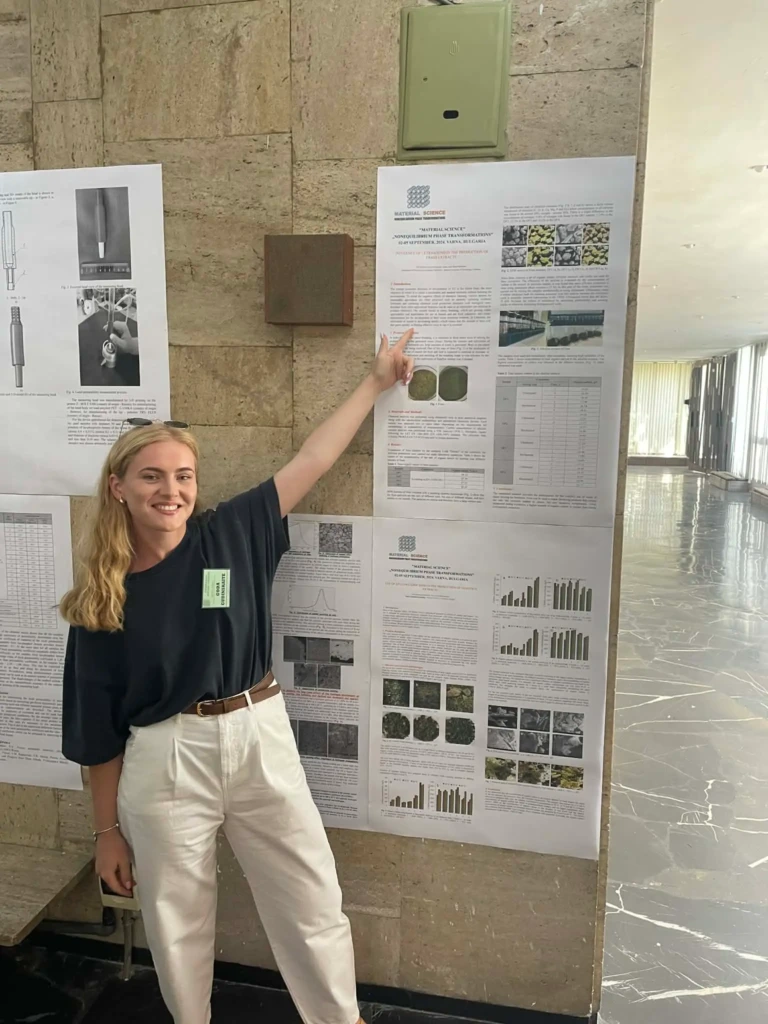
Gudinskaitė points out that conferences not only provide a platform to present research findings but also offer an opportunity to learn about the research being conducted by doctoral students and researchers from other countries.
“This allows us to find out what challenges they face and to share practical advice and experience. Moreover, every trip is an opportunity to get to know another country and its culture. Such experiences not only broaden one’s horizons but also provide motivation for further research and new ideas,” adds Gudinskaitė.